
Understanding the Recycle Pruning Format in Tree Care
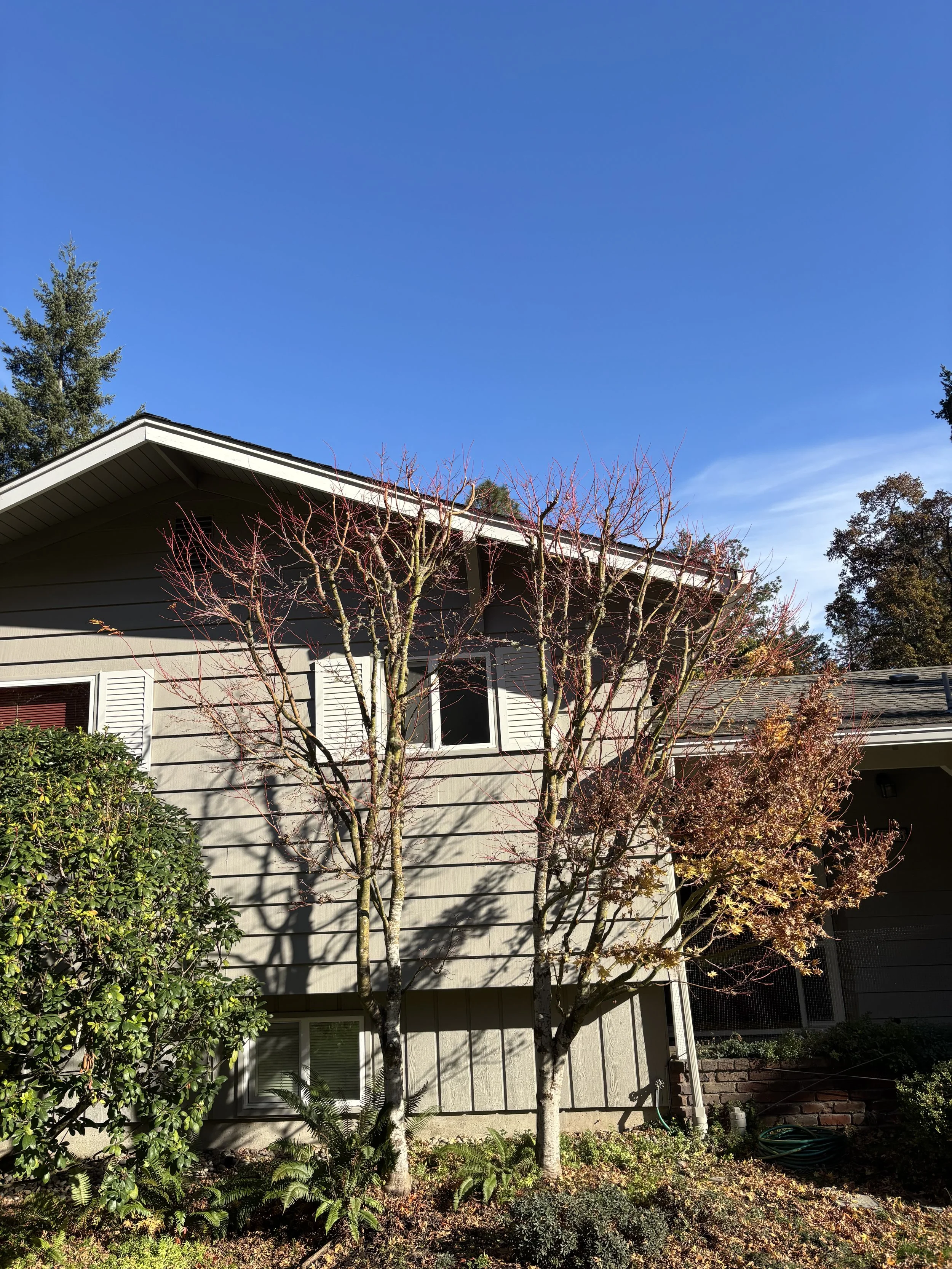
Recycle pruning is a strategic pruning approach used by professional arborists to manage tree size while preserving natural structure and long-term health. Rather than removing large limbs indiscriminately or topping a tree, recycle pruning works by selectively reducing branches back to smaller, healthy lateral limbs that are capable of continuing growth. This method allows the tree to “recycle” its existing structure instead of forcing it to regenerate entirely new growth.
In practice, an arborist identifies dominant or overly extended branches and reduces them to appropriate secondary branches that are at least one-third the diameter of the removed limb. This preserves the tree’s vascular flow and minimizes stress responses. Because the tree maintains functional foliage and branch structure, it can redirect energy efficiently and recover more predictably.
Recycle pruning is commonly used in mature landscape trees that require ongoing size management near homes, streets, or infrastructure. Over time, the tree develops a refined framework of branches that respond well to periodic maintenance. With consistent pruning cycles—often every one to three years—the structure becomes stronger and more balanced.
When performed correctly by a certified arborist, recycle pruning improves light penetration, reduces end-weight on long limbs, and lowers the risk of storm damage. It also preserves the tree’s natural form, making it a sustainable alternative to aggressive cutting practices that can compromise tree health and stability.
