
Understanding Apical Dominance in Trees
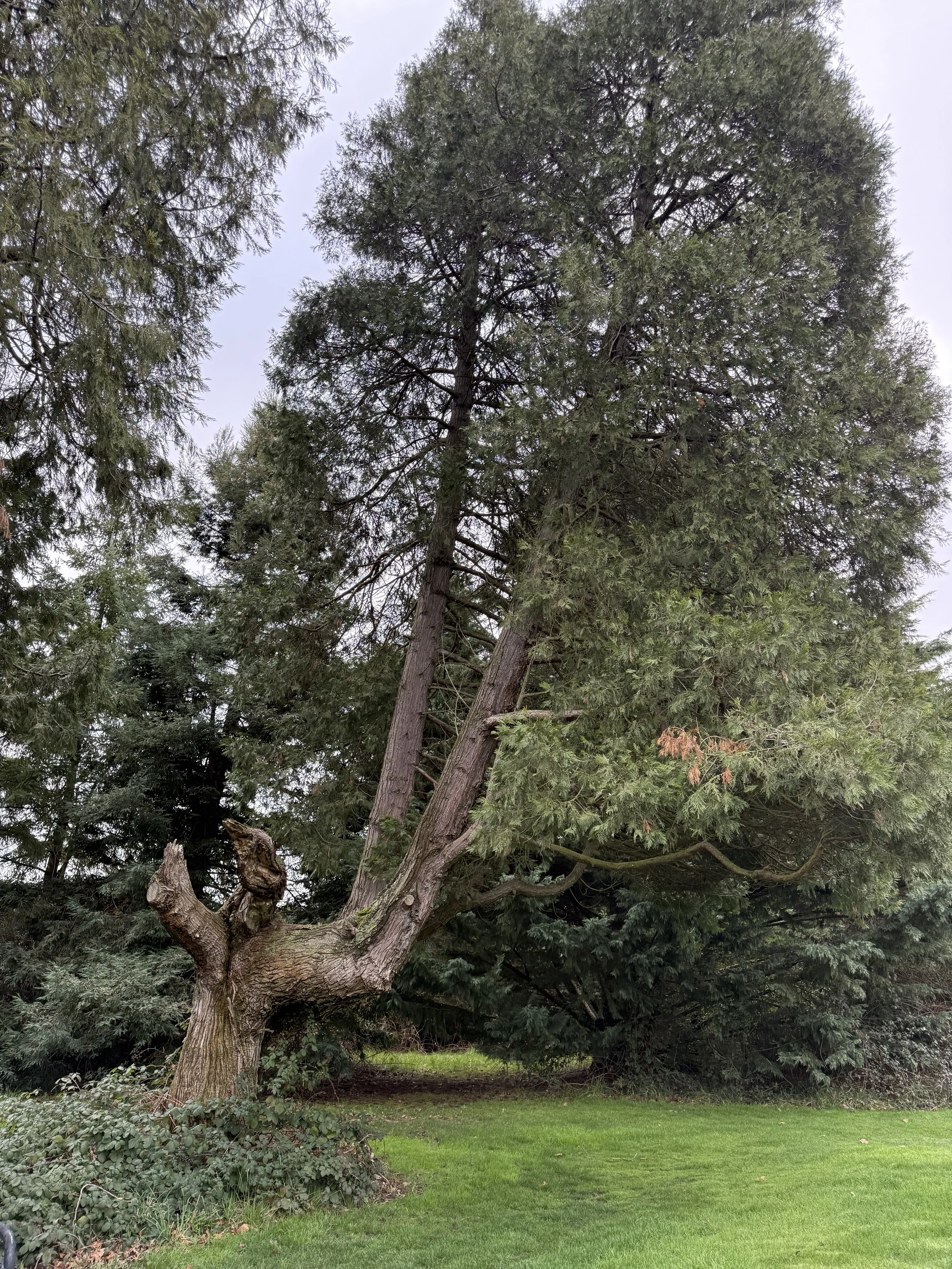
Apical dominance is the biological process that allows a tree to prioritize upward growth through a single dominant leader. The terminal (apical) bud at the top of the tree produces plant hormones called auxins, which suppress the growth of lateral buds below it. This hormone-driven hierarchy ensures the tree grows vertically toward light, strengthening its central structure and improving canopy efficiency.
From an arboricultural perspective, apical dominance plays a critical role in structural integrity. Species such as Douglas-fir and many conifers exhibit strong apical control, naturally forming a central leader. When that leader is damaged by wind, improper pruning, or topping, hormonal balance is disrupted. The result can be multiple competing leaders, weakly attached shoots, and long-term structural defects.
Understanding apical dominance informs proper pruning practices. Reduction cuts that preserve a dominant leader maintain structural stability. Conversely, topping removes the hormone-producing apex, often triggering excessive epicormic sprouting and increased failure risk.
Professional pruning respects a tree’s natural growth regulators. By working with apical dominance—not against it—certified arborists help maintain strong branch architecture, balanced canopy development, and long-term health.
