
Pollard Pruning
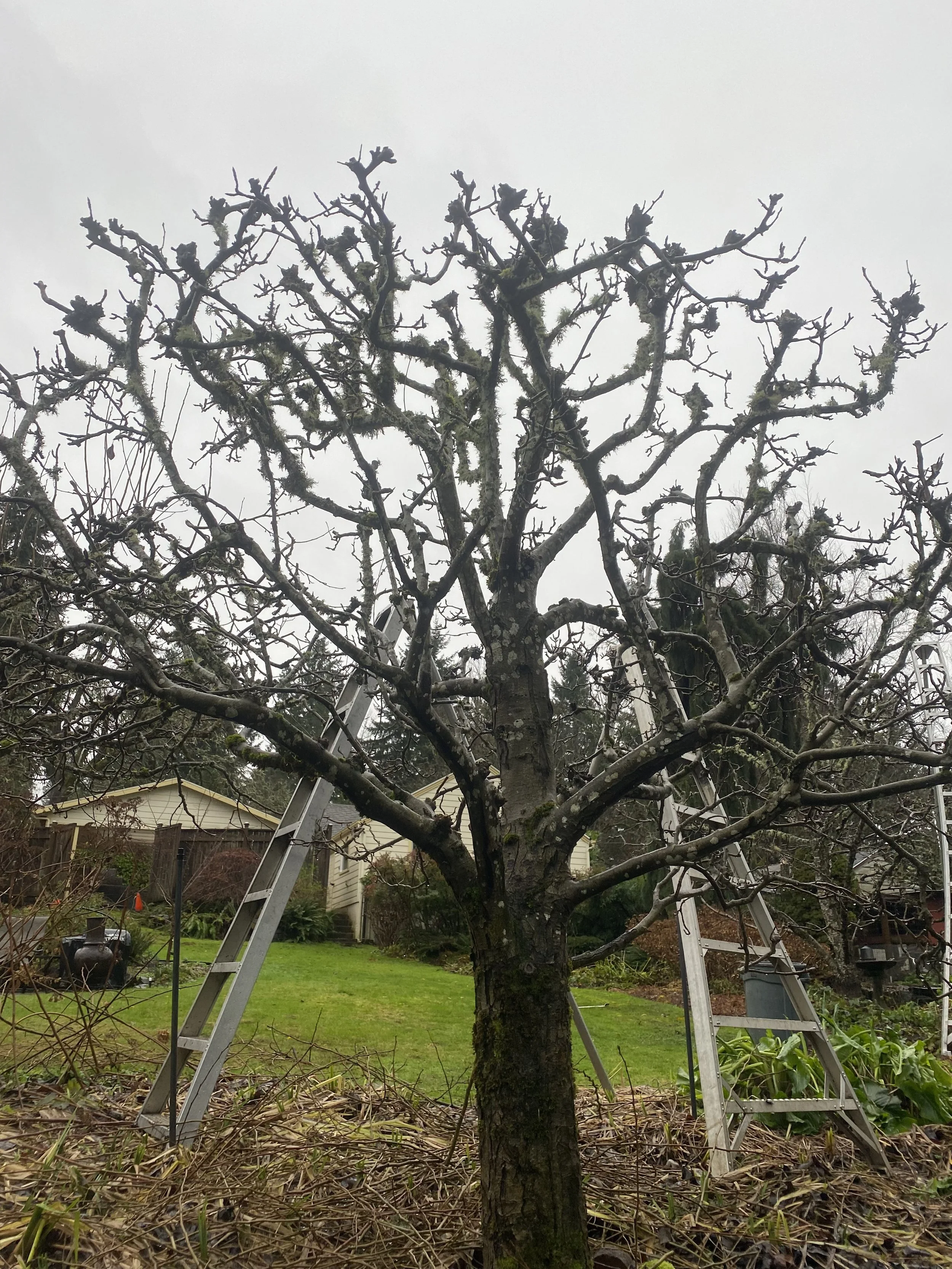
Pollard pruning, commonly referred to as pollarding, is a specialized tree management technique used to control canopy size, encourage structured regrowth, and maintain trees in confined spaces. This method involves cutting back the upper branches of a young tree to a consistent framework, where new shoots are allowed to develop from the same pruning points year after year.
When performed correctly and maintained on a routine cycle, pollarding creates a strong, organized branch structure. The regrowth that emerges from pollard points tends to be vigorous and predictable, allowing arborists to manage tree size while maintaining overall health and vitality. This makes pollarding especially useful in urban landscapes, along streets, near structures, and in areas where trees must coexist with infrastructure.
Pollarding is not a one-time pruning method—it requires consistent maintenance. Once a tree is established in a pollard cycle, it should be pruned every one to three years depending on the species and growth rate. Regular pruning prevents branches from becoming too large or structurally weak at their attachment points.
Certain species respond particularly well to pollarding, including maples, lindens, willows, and plane trees. When managed properly by a certified arborist, pollard pruning can extend a tree’s lifespan, reduce risk from large limbs, and maintain a balanced canopy.
In professional arboriculture, pollarding is both a science and an art—combining biological understanding with precise pruning techniques to guide a tree’s long-term structure.
