
Armillaria Root Decay in Trees
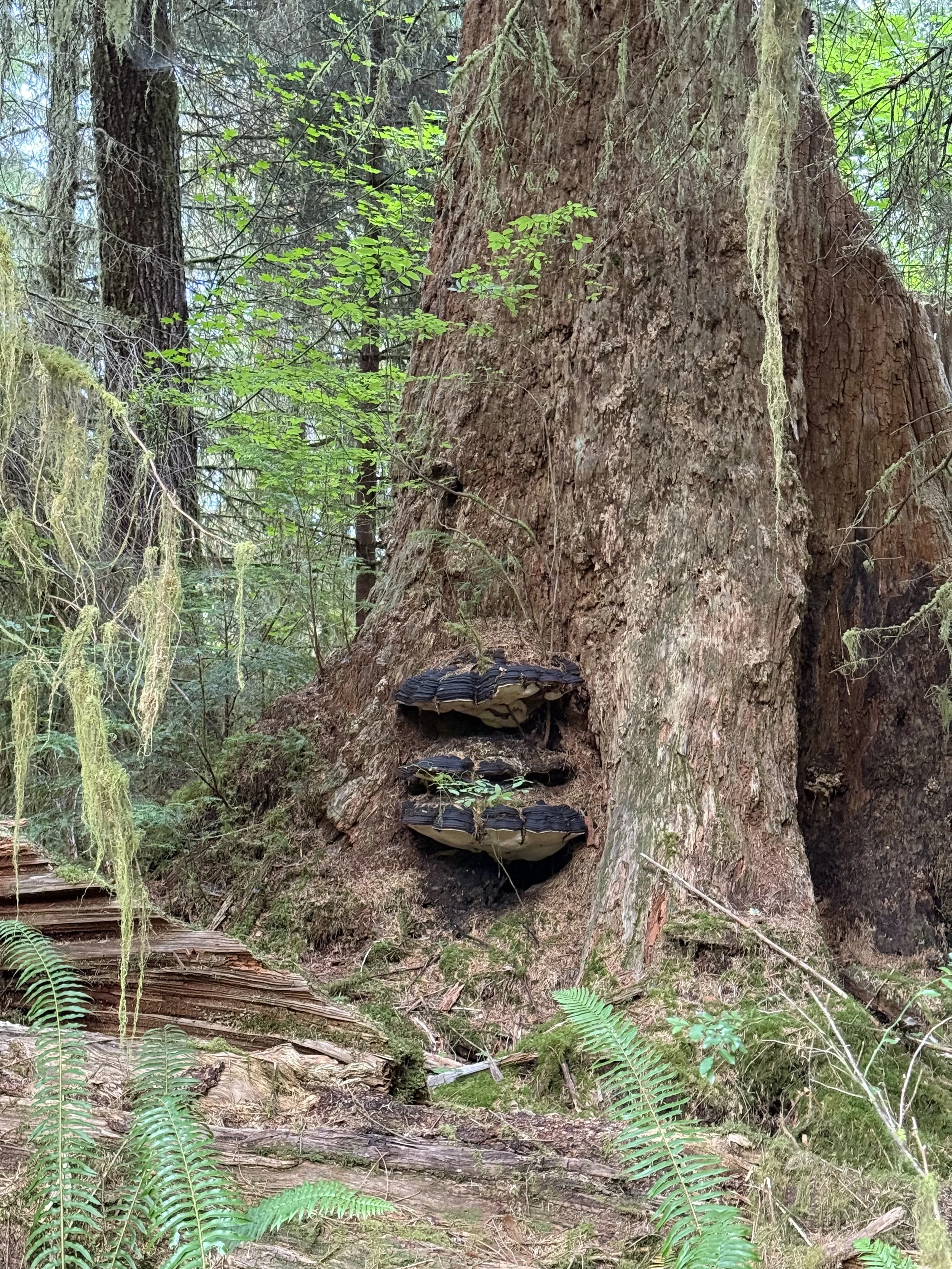
Armillaria root decay is one of the most destructive fungal diseases affecting landscape and forest trees. Caused by fungi in the Armillaria genus—often called honey fungus—this pathogen attacks the root system and lower trunk, slowly weakening a tree’s structural stability and overall health.
The fungus spreads underground through root-to-root contact and by dark, shoestring-like structures called rhizomorphs that travel through the soil in search of new hosts. Once established, Armillaria breaks down root tissues and interferes with the tree’s ability to transport water and nutrients. Over time, infected trees may show symptoms such as canopy thinning, branch dieback, reduced leaf size, and general decline.
In advanced cases, mushrooms with honey-colored caps may appear around the base of the tree during the fall. Beneath the bark near the root collar, white fan-shaped fungal mats are often present—one of the diagnostic indicators arborists look for during an inspection.
Armillaria commonly affects stressed or weakened trees, particularly those dealing with soil compaction, drought stress, or other root damage. Unfortunately, once the fungus is well established in the root system, treatment options are limited.
Routine inspections by a certified arborist, proper pruning, and maintaining healthy soil conditions can help reduce stress and improve a tree’s natural defenses. Early detection is key to managing risk and preventing potential hazards associated with structural root decay.
