Understanding Soil Horizons: What’s Beneath Your Feet Matters
Healthy landscapes—and healthy trees—start below the surface. Soil isn’t just “dirt”; it’s a living system arranged in layers called soil horizons, each with a distinct role in water movement, nutrient cycling, and root health. Whether you’re planting a tree, managing a garden, or stewarding land, understanding soil horizons helps you make smarter, longer-lasting decisions.
What Are Soil Horizons?
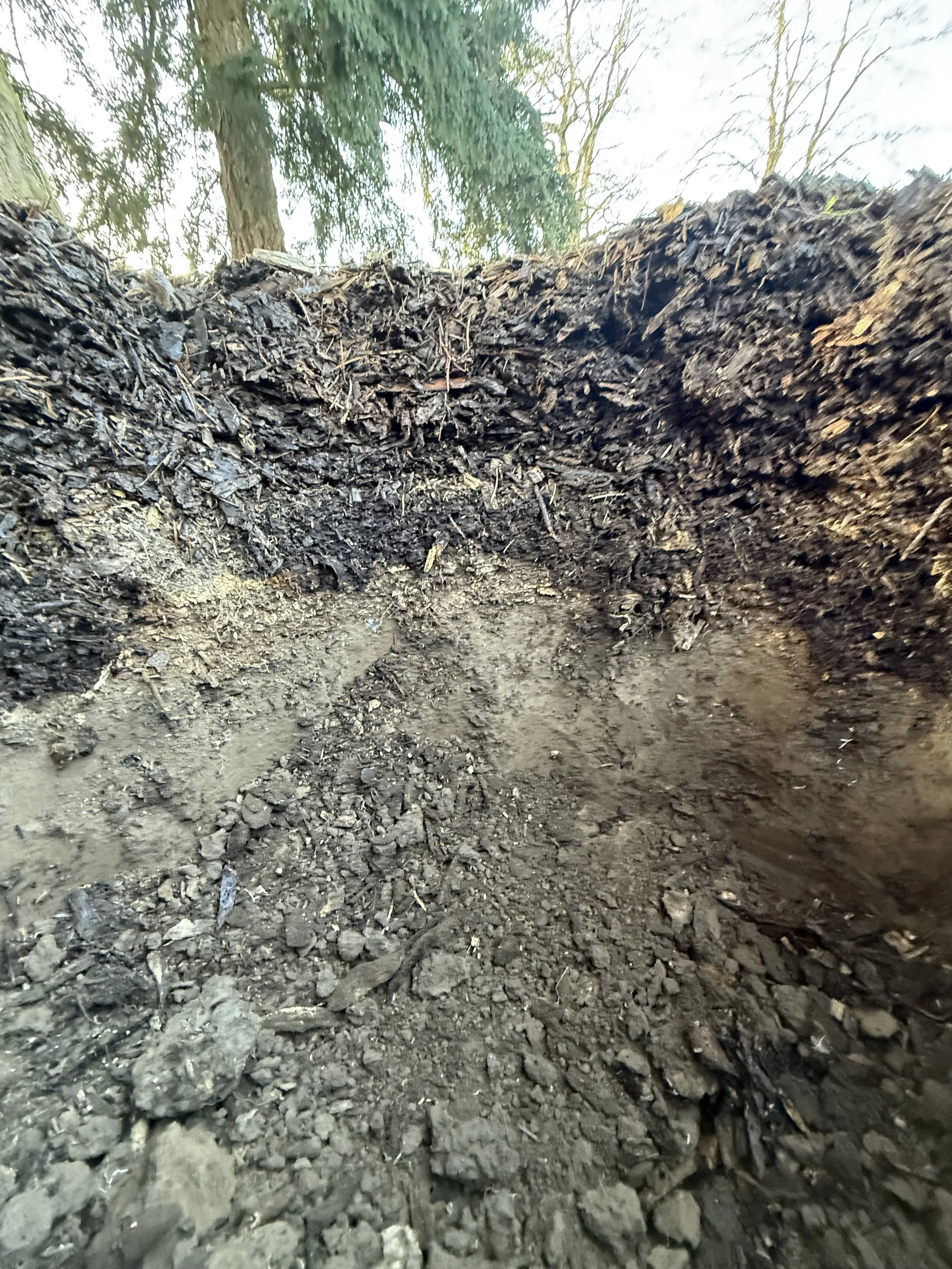
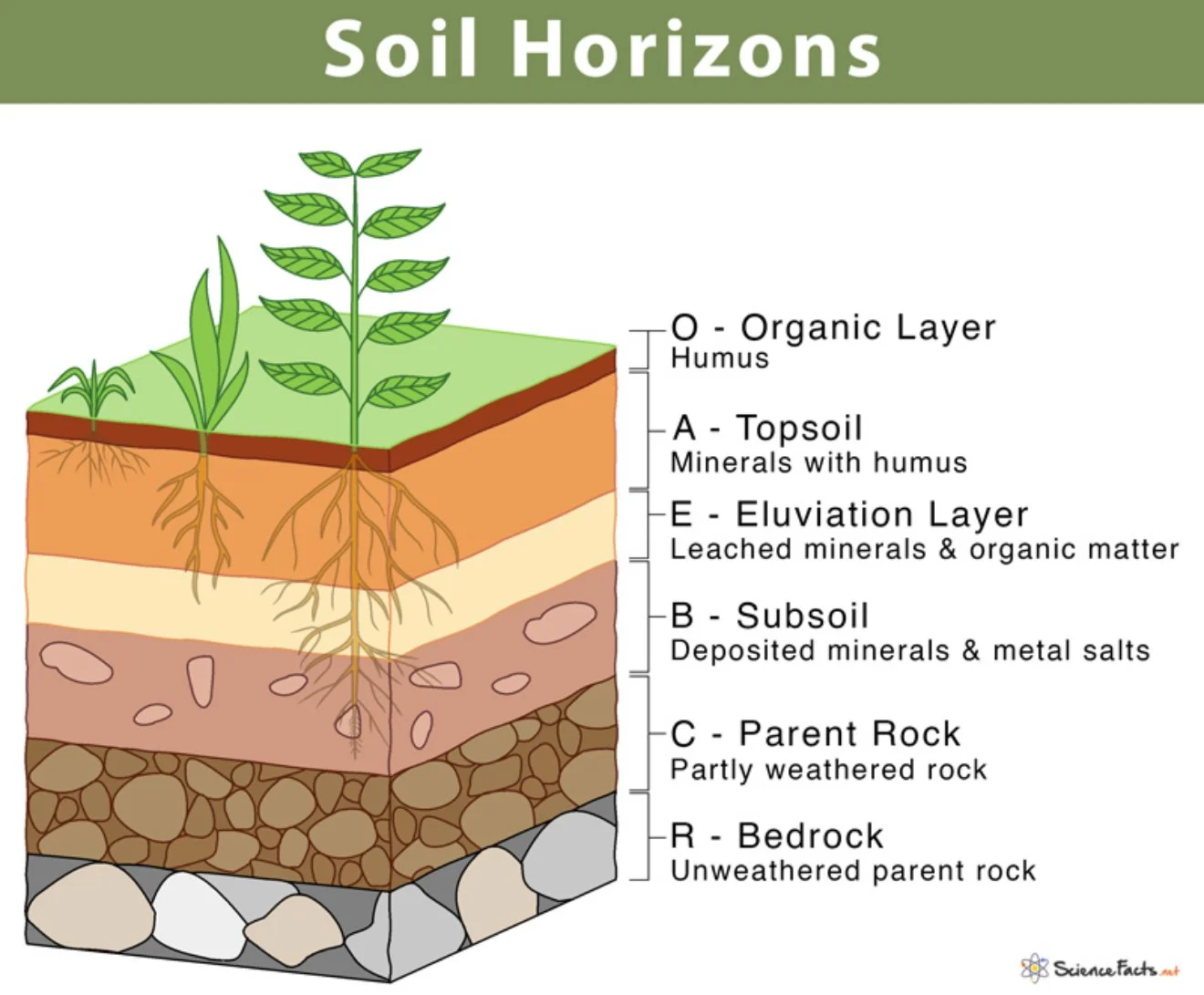
Soil horizons are natural layers that form over time as rock weathers and organic material accumulates. Together they create a soil profile, typically described from the surface downward as O, A, E, B, C, and R (not all soils have every layer).
The Major Soil Horizons Explained
O Horizon — Organic Layer
What it is: Leaf litter, decomposing wood, and organic debris.
Why it matters: Fuels soil life and feeds plants as it breaks down.
Tree care tip: Preserve this layer under trees; it protects roots and boosts moisture retention.
A Horizon — Topsoil
What it is: Mineral soil mixed with humus.
Why it matters: Most biological activity happens here; roots, microbes, and nutrients are abundant.
Tree care tip: Avoid compaction—foot traffic and equipment can damage this critical layer.
E Horizon — Eluviation (Leached) Layer
What it is: A lighter, nutrient-poor zone where minerals are washed downward.
Why it matters: Indicates water movement and drainage patterns.
Where you’ll see it: Common in forest soils; not present everywhere.
B Horizon — Subsoil
What it is: Accumulates clay, iron, and aluminum leached from above.
Why it matters: Influences drainage and root depth.
Tree care tip: Dense B horizons can restrict roots; species selection and proper planting depth are key.
C Horizon — Parent Material
What it is: Weathered rock fragments and sediments.
Why it matters: Determines soil texture and mineral makeup.
Planning note: Shallow C horizons can limit deep-rooted trees.
R Horizon — Bedrock
What it is: Solid, unweathered rock.
Why it matters: Sets the ultimate limit for root penetration and drainage.
Why Soil Horizons Matter for Plants and Trees
Root Health: Roots explore different horizons for water and nutrients.
Drainage: Horizon structure controls how water moves—or pools.
Nutrient Cycling: Organic inputs at the top feed life throughout the profile.
Long-Term Stability: Healthy horizons support wind-firm, resilient trees.
Practical Tips for Working With Soil Horizons
Mulch, don’t bury: Keep mulch on the surface; don’t mix it into deeper layers.
Minimize disturbance: Trenching and grading can disrupt horizons for decades.
Plant at grade: Burying root flares into deeper horizons stresses trees.
Test before amending: Soil tests reveal pH and nutrient needs specific to each layer.
The Takeaway
Soil horizons tell the story of your land—its past, its drainage, and its capacity to support life. Protecting these layers is one of the most effective ways to improve plant health, reduce maintenance, and grow landscapes that thrive for generations.