
Understanding Apical Dominance in Trees
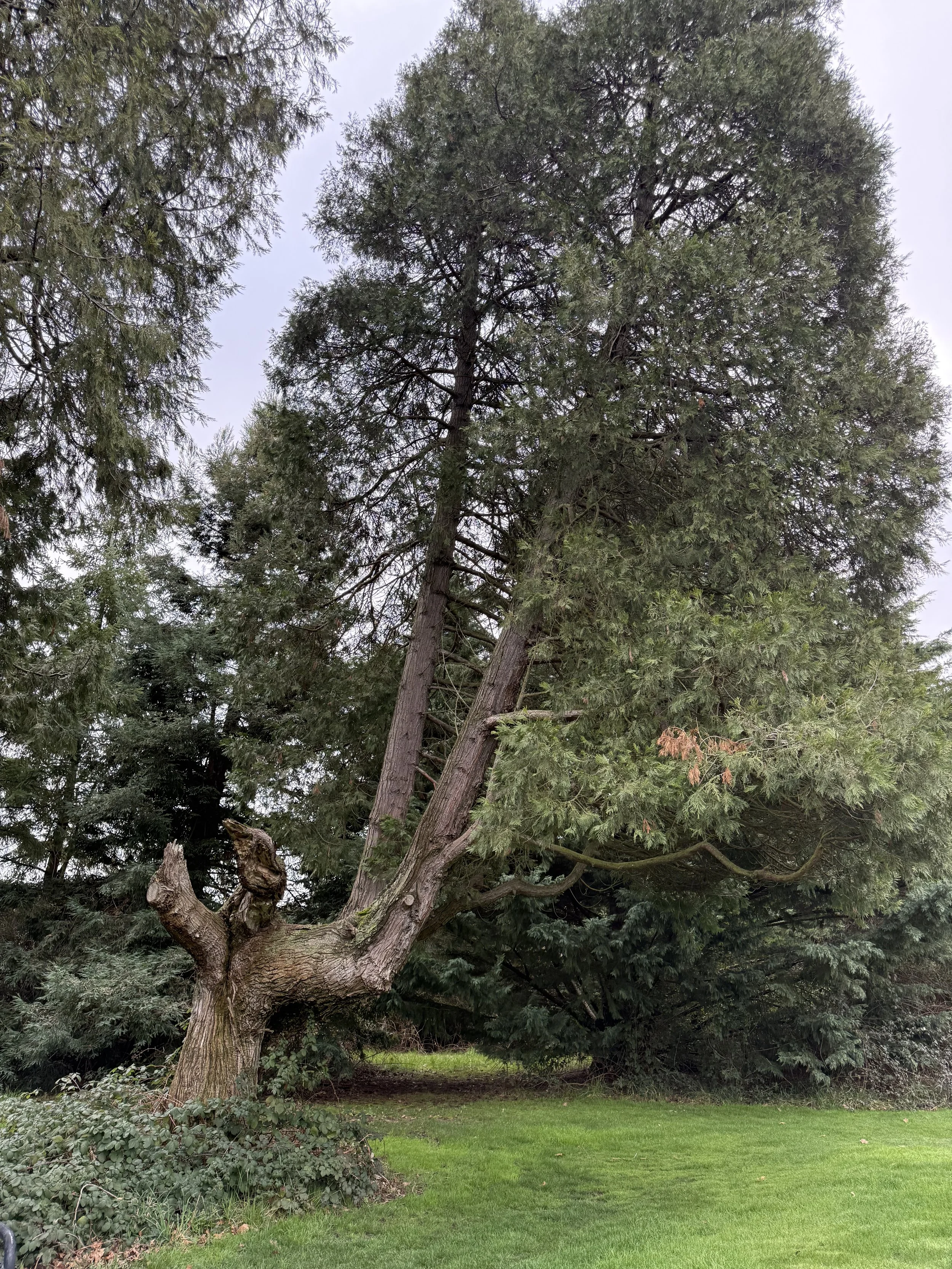
Apical dominance is a natural growth pattern in trees where the main central leader suppresses the growth of lateral branches. This process is driven by plant hormones called auxins, produced at the tip of the tree. These hormones travel downward, signaling lower buds to remain dormant or grow more slowly. As a result, trees develop a strong, upright structure with a clearly defined top.
In arboriculture, understanding apical dominance is essential when performing pruning or tree removal decisions. When the dominant leader is damaged or removed, the tree often responds by activating multiple lateral buds, creating competing leaders. This can lead to weak branch attachments and a less stable canopy structure over time.
Strategic pruning can work with this natural system rather than against it. By selectively reducing competing branches and maintaining a single leader, arborists help preserve structural integrity and long-term tree health. In some cases, intentionally reducing apical dominance can encourage fuller canopy growth, especially in ornamental or fruit trees.
Whether trimming, pruning, or planning a tree’s removal, recognizing how apical dominance influences growth allows for better decisions, safer structures, and healthier trees overall.
