The Risks of Lion-Tailing and Poor Pruning Practices
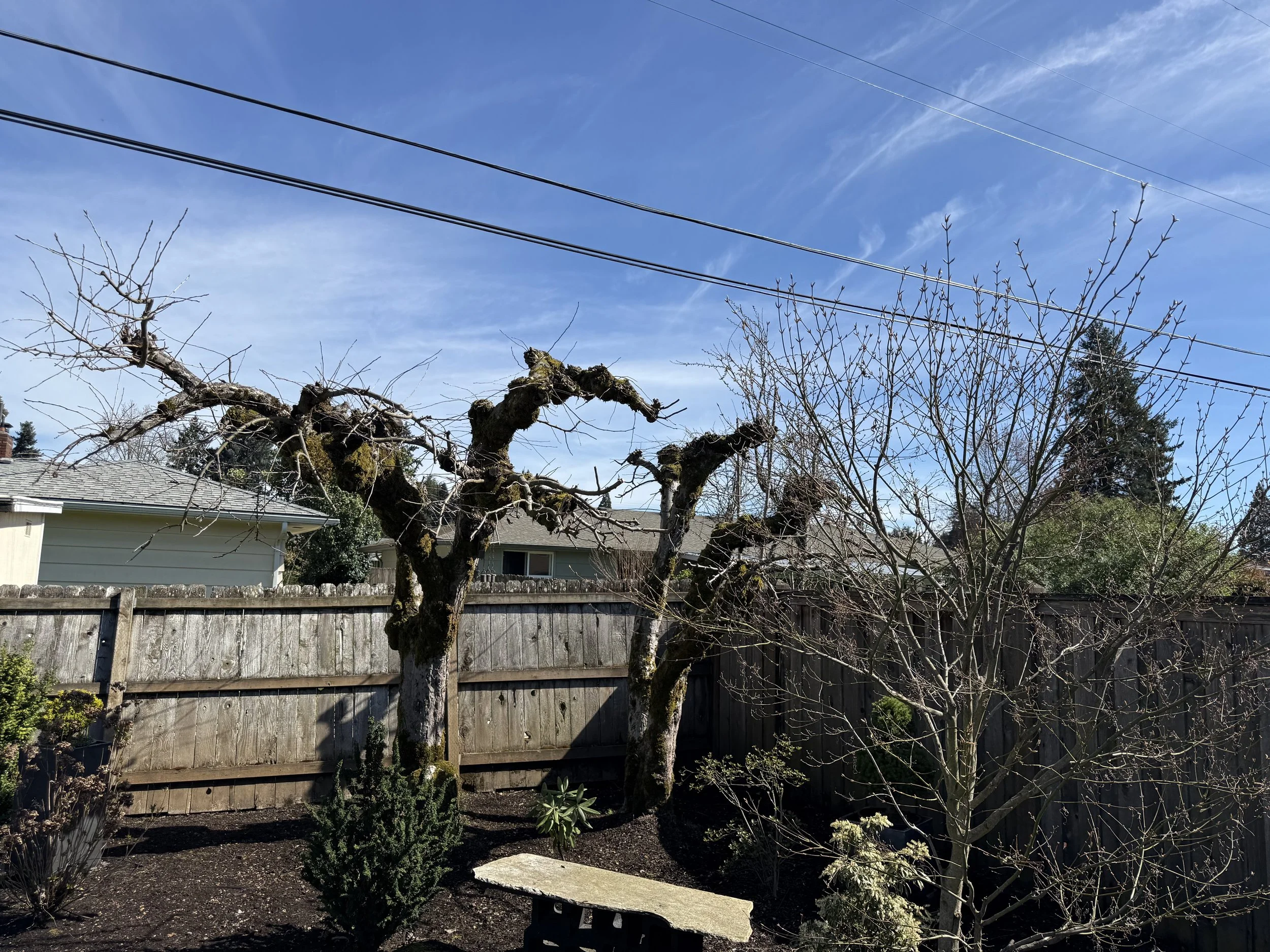
Lion-tailing is a common but harmful pruning practice where inner branches are stripped out, leaving foliage only at the ends of limbs. While it may look cleaner, it disrupts the tree’s natural structure and shifts weight outward, increasing the risk of limb failure—especially during wind or storms.
Other unskilled practices include topping, excessive thinning, and making improper cuts. Topping leads to fast-growing, weakly attached shoots that are far more likely to break. Over-thinning reduces a tree’s ability to produce energy, stressing the system and making it more vulnerable to pests and disease. Improper cuts can slow wound closure and invite decay.
Good pruning maintains balance, structure, and the tree’s ability to support itself over time. Thoughtful, informed cuts not only improve appearance but also reduce long-term risk and preserve overall tree health.
