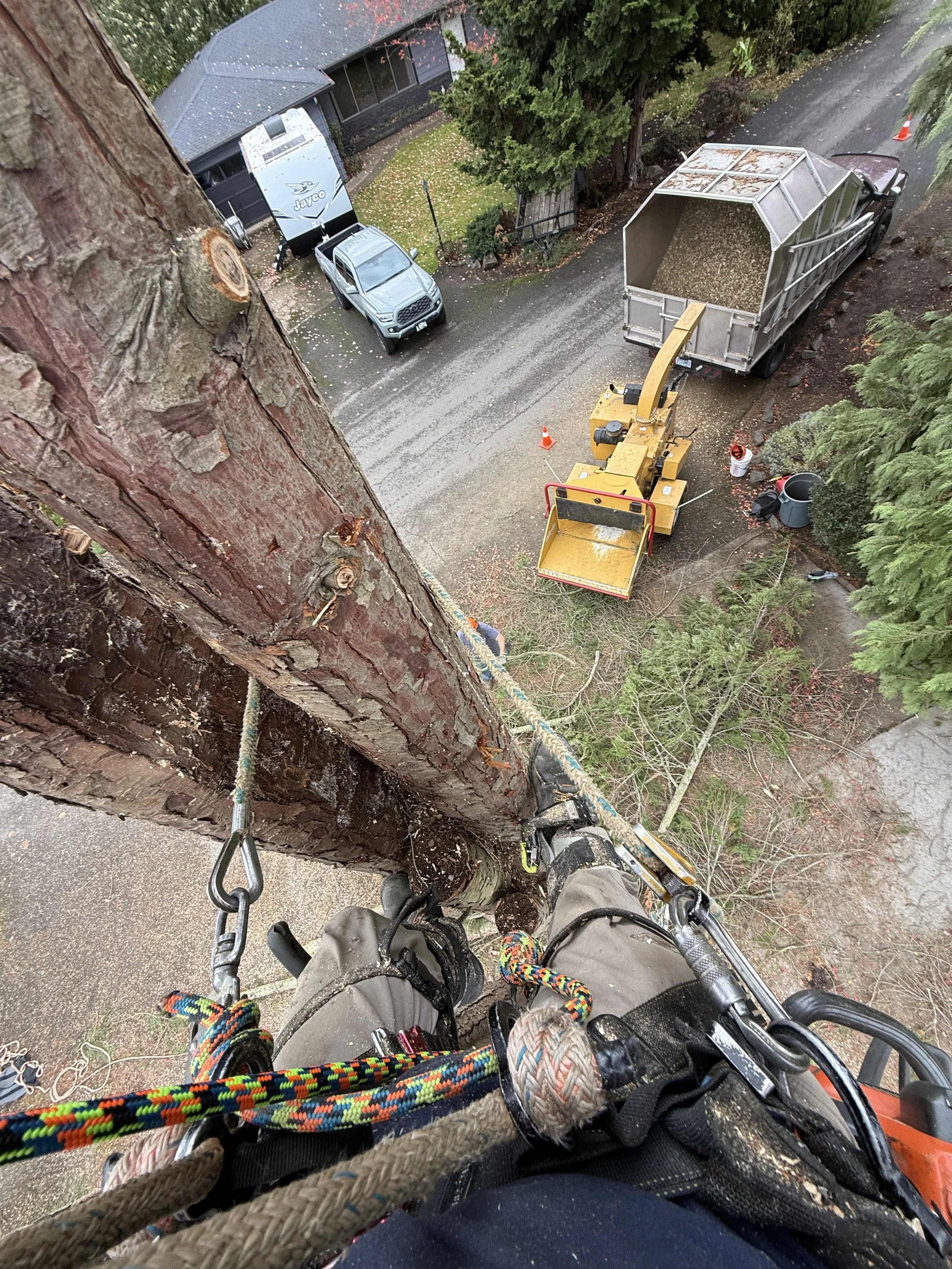
The Importance of Hiring a Certified Arborist
Trees are long-term investments. They provide shade, increase property value, improve air quality, manage stormwater, and enhance the beauty and safety of your landscape. But trees are also living structures that require knowledgeable, professional care. When pruning, diagnosing, or removing trees, who you hire matters—and that’s where a Certified Arborist makes a critical difference.
Whether you’re a homeowner, property manager, or business owner, understanding why certification matters can protect your trees, your property, and your wallet.
What Is a Certified Arborist?
A Certified Arborist is a tree care professional who has earned credentials through the International Society of Arboriculture (ISA). Certification requires:
Extensive hands-on experience in arboriculture
Passing a comprehensive exam on tree biology, pruning, soil science, safety, and risk management
Ongoing continuing education to maintain certification
Adherence to a professional Code of Ethics
In short, certification proves that an arborist understands how trees grow, how they fail, and how to care for them responsibly.
Trees Are Complex Living Systems
Many people view trees as static landscape features, but trees are dynamic organisms that respond to stress, soil conditions, pruning, and environmental changes. Improper care can cause:
Structural weakness
Accelerated decay
Pest and disease vulnerability
Premature failure or death
A Certified Arborist understands tree physiology—how roots, trunks, branches, and leaves function together—and uses that knowledge to make informed decisions that support long-term health rather than short-term aesthetics.
Proper Pruning Protects Tree Health and Safety
One of the most common reasons homeowners call a tree company is pruning. Unfortunately, pruning is also one of the most frequently done wrong.
Certified Arborists are trained in industry-accepted pruning standards, focusing on:
Structural integrity
Natural growth patterns
Weight distribution
Wound compartmentalization
Improper practices like topping, over-thinning, or flush cuts can create hazardous regrowth and internal decay. A Certified Arborist prunes with intention—reducing risk while preserving strength and longevity.
Accurate Diagnosis Saves Trees (and Money)
When a tree shows signs of decline—dieback, leaf discoloration, cracking bark, or fungal growth—guesswork can be expensive and destructive.
Certified Arborists are trained to:
Identify pests, pathogens, and environmental stressors
Distinguish between normal seasonal changes and serious decline
Recommend targeted solutions rather than unnecessary removal
In many cases, trees that appear “dying” can be saved through proper soil management, pruning corrections, or treatment. An untrained contractor may recommend removal simply because it’s easier—or more profitable.
Tree Risk Assessment Reduces Liability
Trees can pose serious risks when they fail, especially near homes, roads, playgrounds, and commercial properties. Certified Arborists are trained in tree risk assessment, allowing them to:
Identify structural defects and weak unions
Evaluate likelihood of failure
Assess potential targets and consequences
Recommend mitigation options such as pruning, cabling, or removal
This expertise is critical for reducing liability and making defensible decisions, particularly for property managers and HOAs.
Safety Matters—For Everyone
Tree work is one of the most dangerous professions in the country. Certified Arborists receive extensive training in:
Climbing and rigging systems
Chainsaw safety
Job-site hazard assessment
Industry safety standards
Hiring a certified professional reduces the risk of accidents, property damage, and injuries. It also helps ensure that the company you hire carries proper insurance and operates responsibly.
Knowledge of Local Regulations and Protected Trees
Many cities and counties have ordinances governing tree work—especially around wetlands, right-of-way trees, and protected species. Certified Arborists are more likely to:
Understand permitting requirements
Identify protected trees
Recommend compliant solutions
This helps you avoid fines, project delays, and legal complications.
Long-Term Value, Not Short-Term Fixes
Certified Arborists think in years and decades, not just today’s job. Their recommendations prioritize:
Tree longevity
Sustainable maintenance plans
Reduced future costs
Preservation of mature canopy
Healthy, well-maintained trees increase property value, reduce cooling costs, and enhance curb appeal. Poor tree care does the opposite.
Certification Signals Professional Integrity
Anyone can buy a chainsaw and advertise tree services. Certification separates trained professionals from unqualified operators. When you hire a Certified Arborist, you’re choosing someone who:
Invested time and effort into education
Commits to ongoing learning
Follows ethical standards
Takes responsibility for the health and safety of your trees
That professionalism shows in the quality of work and the guidance you receive.
How to Verify an Arborist’s Certification
You can verify an arborist’s credentials directly through the International Society of Arboriculture database. Look for active certification status and ask about experience with your specific tree species and property type.
Final Thoughts
Trees are valuable assets—and mistakes can take decades to correct. Hiring a Certified Arborist ensures your trees receive science-based care that protects their health, your property, and your community.
When it comes to tree care, expertise matters. Certification isn’t just a title—it’s a commitment to doing the job right.