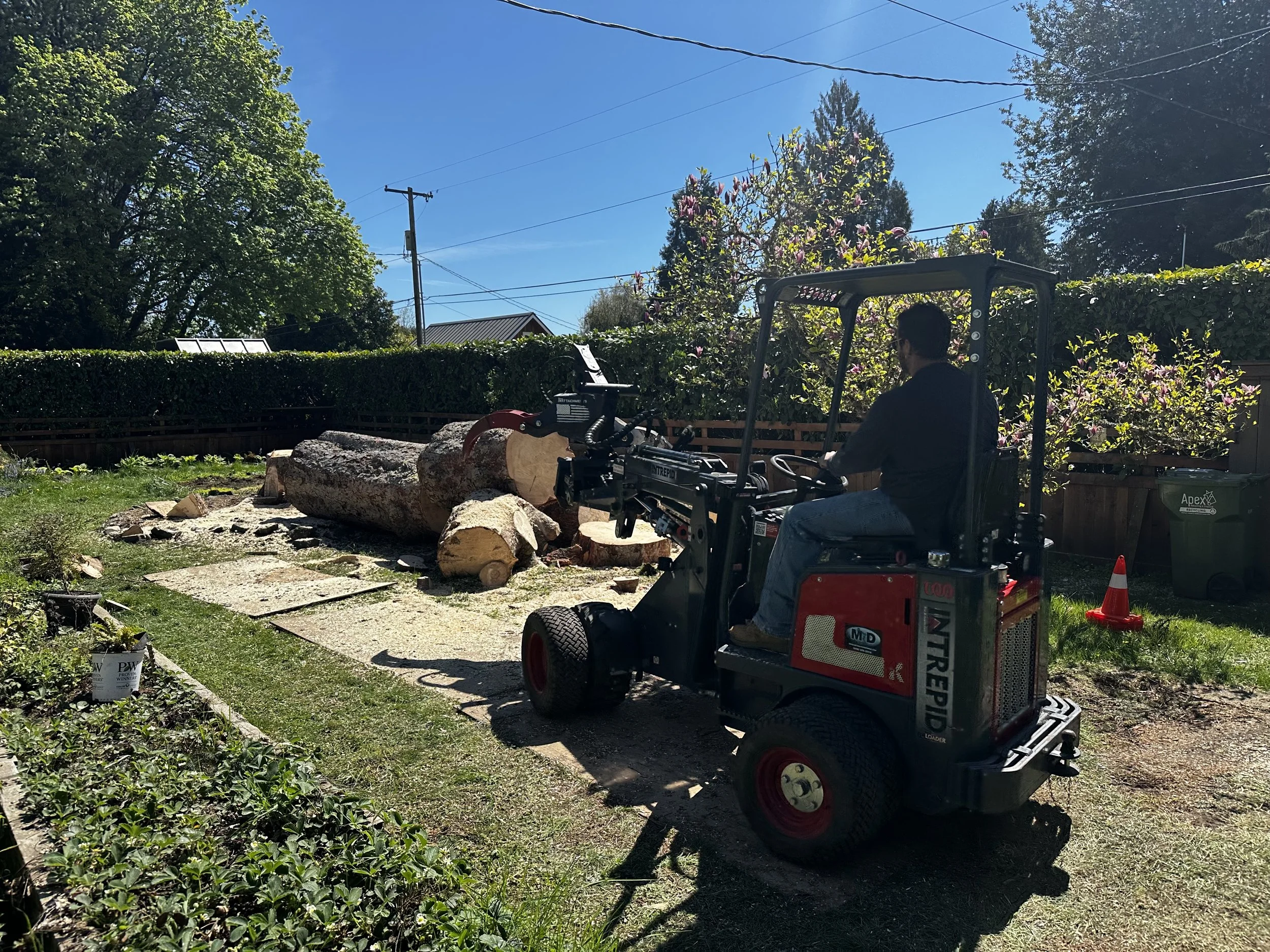
Professional Tree Removal: Safe, Efficient, and Expert Solutions for Your Property
Tree removal is sometimes a necessary part of responsible property ownership. While trees provide beauty, shade, and environmental benefits, there are situations where professional tree removal services are the safest and most practical solution. Whether you’re dealing with a dead tree, storm damage, or a tree threatening your home, understanding the process and benefits of expert removal can help you make informed decisions.
When Is Tree Removal Necessary?
Not every tree problem can be solved with pruning or trimming. Tree removal may be required when a tree poses a safety risk or has reached the end of its life cycle. Common reasons include:
Dead or dying trees that are at risk of falling
Storm-damaged trees with cracked trunks or split limbs
Trees leaning toward homes, power lines, or structures
Trees affected by disease, pests, or root failure
Trees interfering with construction, driveways, or utilities
Ignoring these issues can lead to property damage, personal injury, or costly emergency removals.
Why Hire a Professional Tree Removal Service?
Tree removal is complex and dangerous work. Hiring a licensed and insured arborist ensures the job is done safely, efficiently, and in compliance with local regulations.
Benefits of Professional Tree Removal
Safety first: Trained crews use proper rigging, climbing techniques, and equipment
Specialized equipment: Cranes, bucket trucks, chainsaws, and stump grinders
Damage prevention: Controlled removal protects roofs, fences, and landscaping
Cleanup included: Debris hauling, wood chipping, and site cleanup
Expert assessment: Arborists evaluate tree health and surrounding risks
Attempting DIY tree removal can result in serious injury or unexpected damage.
The Tree Removal Process Explained
A professional tree removal company follows a structured approach to ensure optimal results:
Tree inspection and risk assessment
Permitting and compliance (if required by local ordinances)
Sectional removal using ropes and rigging for tight spaces
Ground crew coordination for safe lowering of limbs and trunk sections
Stump grinding or removal (optional but recommended)
Final cleanup and inspection
This method minimizes disruption to your property while ensuring safety at every step.
Tree Removal and Stump Grinding: Why Both Matter
After a tree is removed, the remaining stump can become an eyesore and a hazard. Stump grinding services eliminate the stump below ground level, preventing:
Tripping hazards
Pest infestations (ants, termites, beetles)
Unwanted regrowth
Obstructions to landscaping or replanting
Combining tree removal and stump grinding restores usable space and improves curb appeal.
Cost Factors for Tree Removal Services
The cost of tree removal depends on several variables, including:
Tree height and diameter
Tree condition (dead vs. healthy)
Accessibility and proximity to structures
Required equipment (crane, bucket truck, etc.)
Emergency or after-hours service
Requesting an on-site estimate from a professional arborist ensures transparent pricing and accurate recommendations.
Choosing the Right Tree Removal Company
When searching for tree removal near me, look for a company that offers:
Certified arborists
Full licensing and insurance
Positive local reviews
Clear, written estimates
Experience with residential and commercial properties
A reputable provider prioritizes safety, professionalism, and long-term tree care solutions.
Final Thoughts: Protect Your Property with Expert Tree Removal
Tree removal is not just about cutting down a tree—it’s about protecting your home, your family, and your investment. By choosing professional tree removal services, you ensure the work is handled safely, responsibly, and with minimal impact on your landscape.
If you have a hazardous or unwanted tree on your property, consult a qualified arborist today for a professional assessment and peace of mind.