
Working near wetlands and environmentally sensitive areas can trigger additional land-use rules under Eugene’s land use code, even though the city’s tree code primarily focuses on tree size and location. This is because wetlands are protected for water quality, habitat, and flood management.
Work near wetlands may require environmental review or conditional use permits through the land use planning department. Wetlands buffers often restrict ground disturbance and machinery access to protect hydrology and root zones.
Trees that stabilize wetland soils provide crucial ecological services. Removing them without proper review can lead to runoff, erosion, and habitat loss.
If your project is in or adjacent to a mapped wetland or water feature, contact the City of Eugene Planning & Development early to determine if it triggers overlay or special district review.
Here are some best practices for tree work in Eugene:
1. Start with a certified arborist. An ISA-certified arborist can assess tree health and risk, prepare required reports for permits, and specify proper pruning or removal techniques. This professional documentation often streamlines the permit process and ensures compliance.
2. Know your tree’s location. Trees on private property have different rules than trees in public rights-of-way, wetland or riparian overlay zones, conservation or special planning districts.
Understanding the location of a tree on your parcel is the initial step in avoiding regulatory pitfalls.
Before work begins, ensure you have the necessary permits, whether for removal, pruning, or work near sensitive areas. Failing to obtain these permits can result in fines, restoration orders, or mitigation requirements.
When removing trees, Eugene often encourages or requires replacement planting or mitigation strategies to preserve the city’s tree canopy and ecological health.
Coordinate early with city staff to determine which codes apply, the permits required, and whether additional environmental review is triggered.
Eugene’s Urban Forestry and Planning departments are valuable resources. A quick early conversation can provide valuable information.
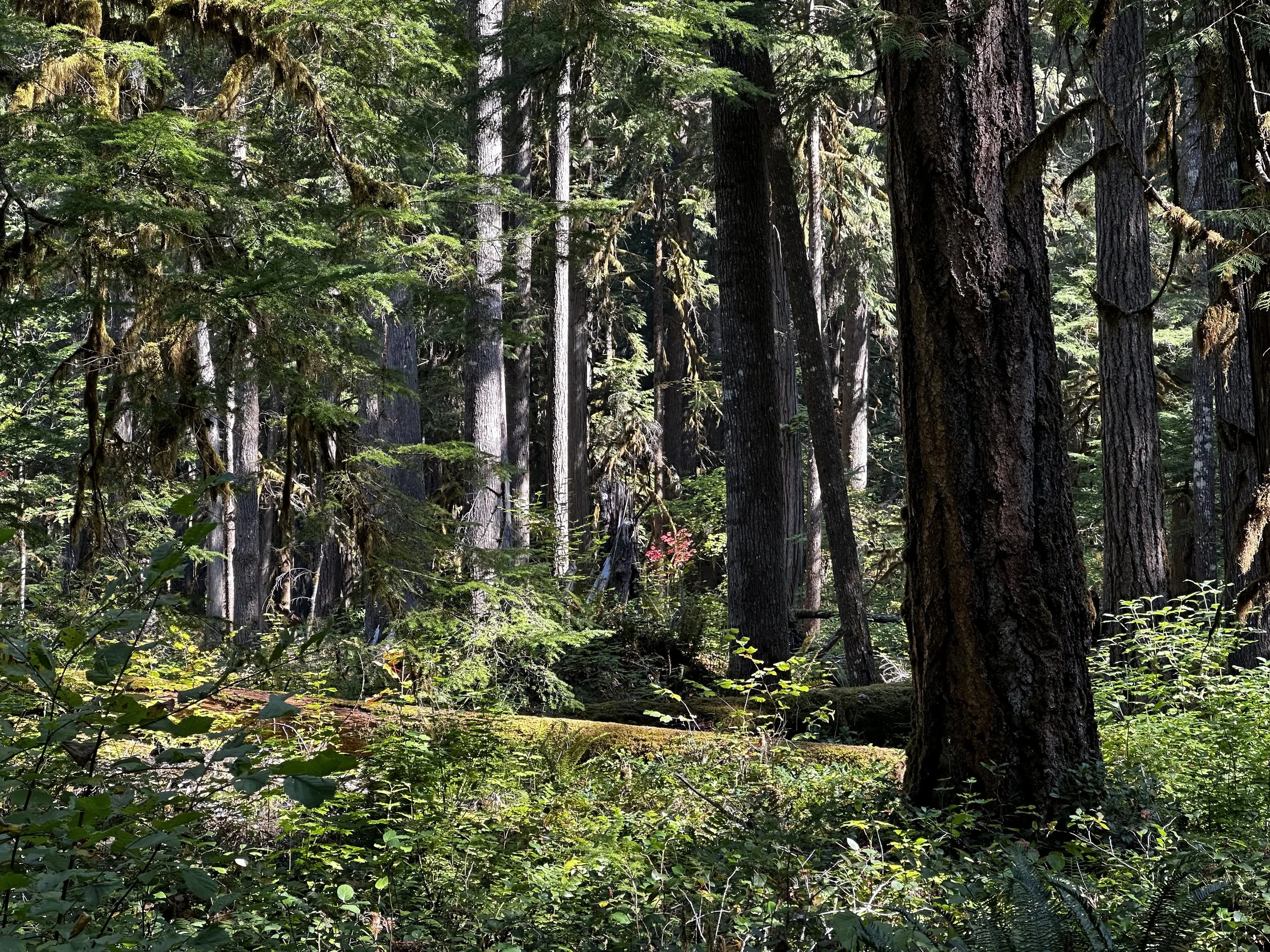
Tree work in Eugene goes beyond mere wood cutting; it’s about stewardship of a community resource. Trees play a crucial role in filtering pollutants, cooling neighborhood streets, providing wildlife habitat, and fostering a connection between residents and nature. Regulatory frameworks aim to strike a balance between individual property rights and the collective benefit of maintaining a healthy, resilient urban and natural forest.

Previous
Previous
Cabling & Bracing: How We Stabilize Weak Trees
Next
Next