
Why Licensed, Bonded, Insured, and Certified Arborists Cost More
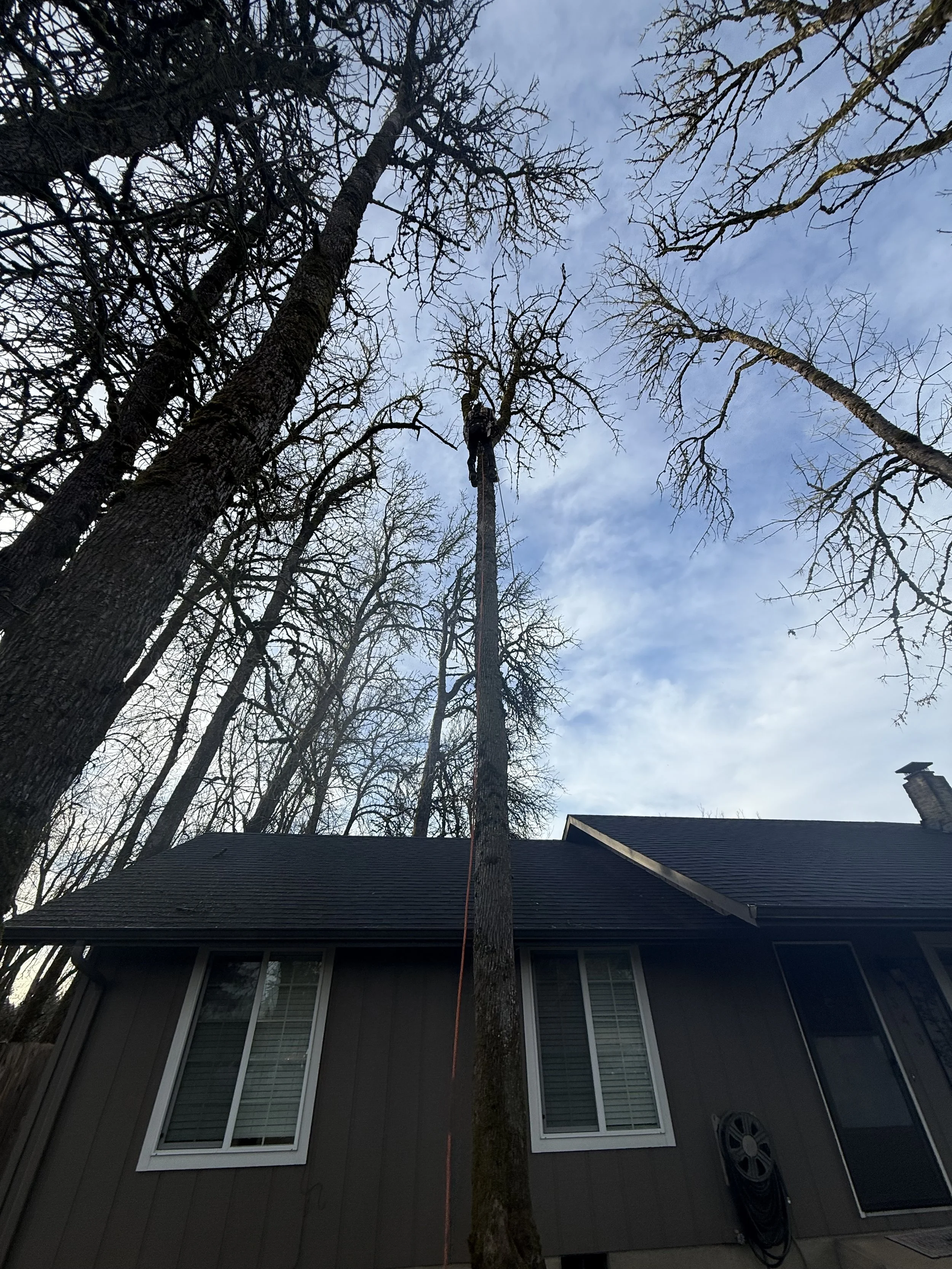
When homeowners compare tree service quotes, the price difference between a licensed, bonded, insured, and certified arborist and an unlicensed operator can be surprising. That gap exists for a reason—and it reflects the true cost of doing tree work safely, legally, and professionally.
Licensed arborists invest heavily before a single job ever begins. State and local licensing fees, bonding, and continuing education are ongoing requirements, not one-time expenses. Certification through the International Society of Arboriculture requires passing rigorous exams and staying current on safety standards, tree biology, and proper pruning and removal techniques. This ensures trees are managed responsibly, not just cut down quickly.
Insurance is another major factor. Tree work is one of the most dangerous trades, and legitimate professionals carry general liability and workers’ compensation insurance to protect homeowners and workers alike. If something goes wrong, insurance prevents a costly accident from becoming the homeowner’s liability. Uninsured operators reduce their prices by skipping this protection, leaving clients exposed to serious risk.
Beyond credentials and insurance, licensed arborists must comply with local ordinances, permits, disposal regulations, equipment inspections, and payroll taxes. These costs protect communities and urban canopies, but they add real overhead.
Perhaps the least visible reality is this: licensed professionals often pay just to compete. Marketing costs, lead fees, insurance premiums, and regulatory expenses are paid long before the phone rings. Unlicensed operators avoid these costs and undercut pricing.
When you hire a certified arborist, you’re paying for accountability, safety, and long-term tree health—not shortcuts. In the end, professional tree care costs more because it carries real responsibility.
