
Understanding Tree Trimming and Its Role in Tree Care
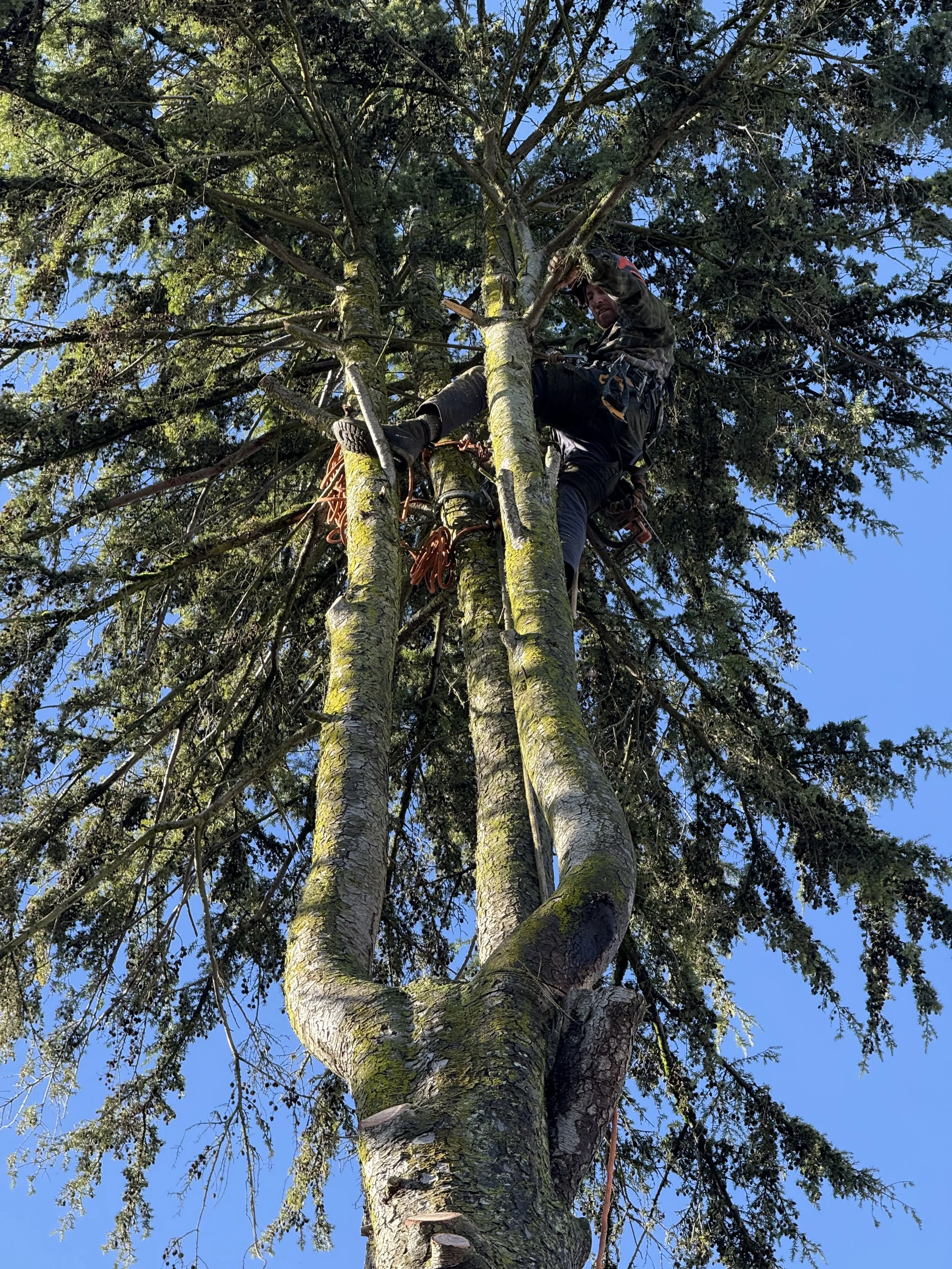
Tree trimming is a routine maintenance practice that helps manage tree growth, structure, and overall condition. When performed correctly, trimming can support healthy development, reduce structural stress, and address safety concerns related to overextended or damaged branches.
One primary purpose of tree trimming is to remove dead, diseased, or weakened limbs. These branches may no longer contribute to the tree’s health and can pose a risk if they fail unexpectedly. Trimming can also help manage canopy density, allowing better airflow and light penetration, which may reduce conditions that contribute to certain pests or fungal issues.
Tree trimming is commonly used to maintain clearance from buildings, roofs, driveways, and utility lines. Branches that grow too close to structures can cause physical damage over time or interfere with access and visibility. Routine maintenance helps keep trees within appropriate boundaries as they mature.
The timing and method of trimming can influence how a tree responds. Different species and growth stages may require specific approaches to minimize stress and encourage proper wound closure. Improper cuts or excessive removal can lead to weak regrowth or increased susceptibility to decay, which is why industry standards emphasize measured, species-appropriate pruning techniques.
Tree trimming is often evaluated as part of a broader tree management plan rather than a one-time service. Regular assessments allow potential issues to be identified early, supporting informed decisions about maintenance, risk reduction, or future care needs.
When carried out using accepted arboricultural practices, tree trimming serves as a practical tool for maintaining trees in residential and commercial landscapes while balancing safety, structure, and long-term performance.
