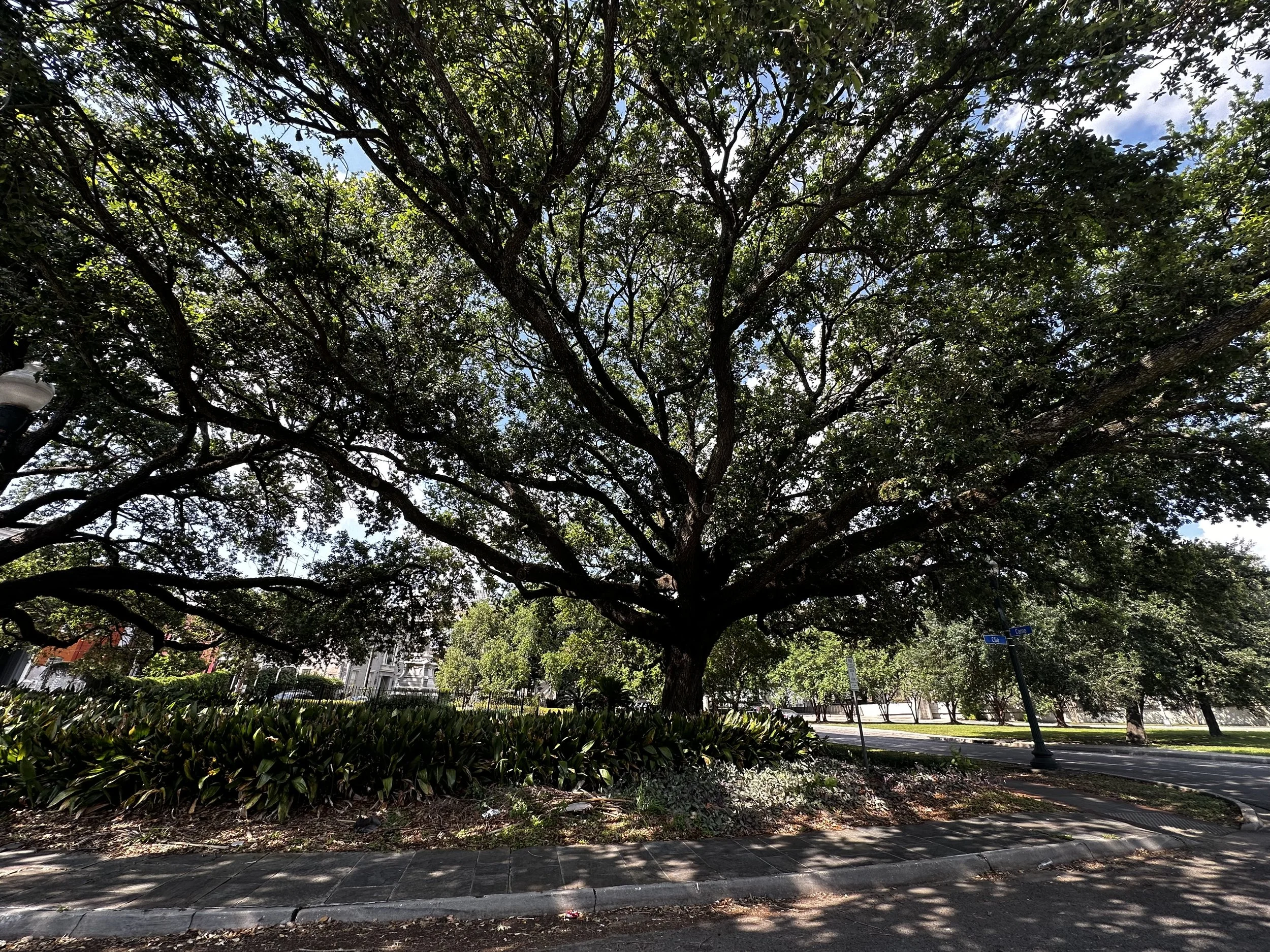
Understanding Tree Root Zones
Introduction
The root zone is the lifeline of a tree. Most absorbing roots are found in the top 3-4 inches of soil (the A layer), in many cases spreading beyond the drip line. Protecting the root zone is crucial for tree health, stability, and longevity.
Key Aspects of the Root Zone
1. Shallow, Wide Roots
Most tree roots are shallow but extend horizontally well beyond the drip line. They anchor the tree and absorb nutrients and water.
2. Importance of Mulch and Soil Health
Healthy soil and mulch protect roots from compaction, temperature extremes, and moisture loss.
3. Avoiding Root Damage
Construction, trenching, and heavy foot traffic can damage roots. Even minor root loss can stress or destabilize a tree.
Protecting the Root Zone
Mulch the Area: A wide mulch ring helps maintain soil health. Do not mulch against the trunk.
Limit Soil Compaction: Avoid parking vehicles or heavy equipment near trees.
Avoid severing roots larger than 1” diameter
Add 3-4 inches of mulch in a radius 2-3 times the diameter of the trunk if you plan to do construction near a tree.
Store equipment and chemicals away from the critical Root zone.
Mind the Drip Line: Keep the area under the canopy protected.