
Tree Roots and House Foundations
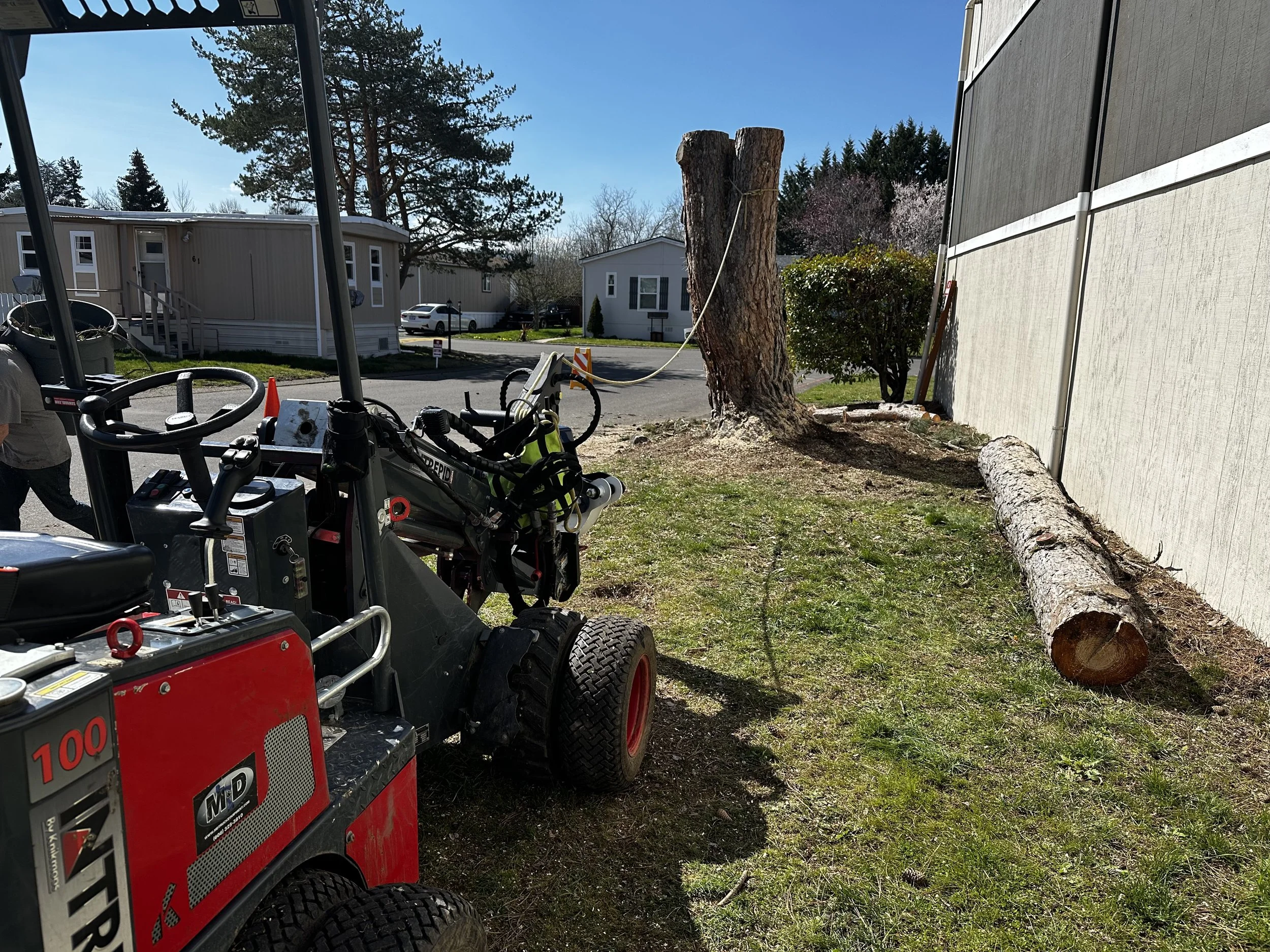
Tree roots and foundations often get blamed for structural damage—but the full story is more nuanced. In most cases, roots do not “break” solid concrete. Instead, they exploit existing weaknesses.
Foundations can crack due to soil movement, poor compaction, drought shrinkage, or age. Once a crack forms, roots naturally grow toward moisture and oxygen. If water is leaking along a footing or beneath a slab, roots will follow that path. Over time, radial growth increases pressure within those cracks, expanding them and creating displacement.
In clay-heavy soils, the issue is often indirect. Large trees extract significant moisture from the soil profile. During dry periods, this can cause soil shrinkage and settlement beneath foundations. When rains return, soils swell again. This expansion and contraction cycle stresses footings and slabs, leading to structural movement.
Preventive planning is key. Proper species selection, correct planting distance from structures, and routine inspections reduce long-term risk. Root barriers may be appropriate in some installations, but they must be installed correctly to be effective.
If you notice cracks, uneven floors, or roots near your foundation, consult both a structural professional and a certified arborist. Tree removal is not always necessary—strategic pruning, soil management, or barrier systems may resolve the issue while preserving the tree and protecting your investment.
