
The Importance of Restructuring Mature Trees Over Time
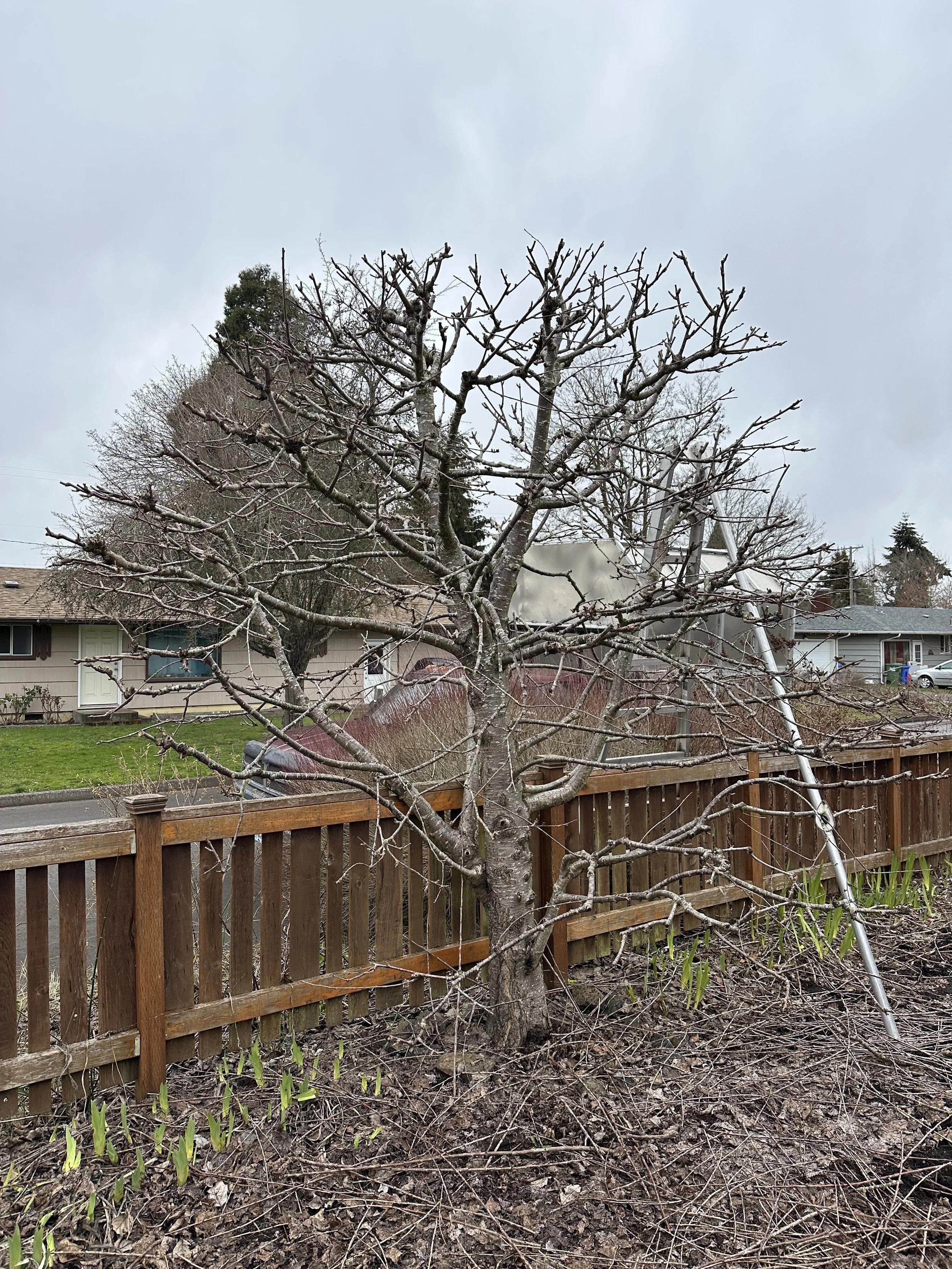
Mature trees are long-term investments that require thoughtful, ongoing management. Unlike young trees that can be easily trained, mature specimens develop complex architecture over decades. Without periodic oversight, structural weaknesses can compound and increase risk.
Routine visits from a certified arborist allow for strategic structural pruning that redistributes weight, reduces end-loading, and corrects competing leaders before failure occurs. Overextended limbs, included bark unions, and minor cracks can often be mitigated early—preventing the need for large, stress-inducing removals later.
Restructuring a mature tree is not about aggressive cutting. It is a gradual process rooted in tree biology. Trees operate on stored energy reserves and respond to pruning over multiple growing seasons. Proper reduction cuts, attention to branch collar integrity, and maintaining an appropriate live crown ratio are critical. Over-pruning or topping can trigger decay, epicormic growth, and long-term instability.
Routine arborist assessments also identify soil compaction, root flare burial, pest pressures, and canopy density issues that affect overall structure. Adjustments made incrementally preserve strength while maintaining aesthetics.
A scheduled arborist visit—every one to three years depending on species and site conditions—protects both the tree and surrounding property. Proactive structural management reduces hazard potential, extends lifespan, and supports healthy, balanced canopy development for decades to come.
