
The Generation That Planted Eugene — And the Trees They Became
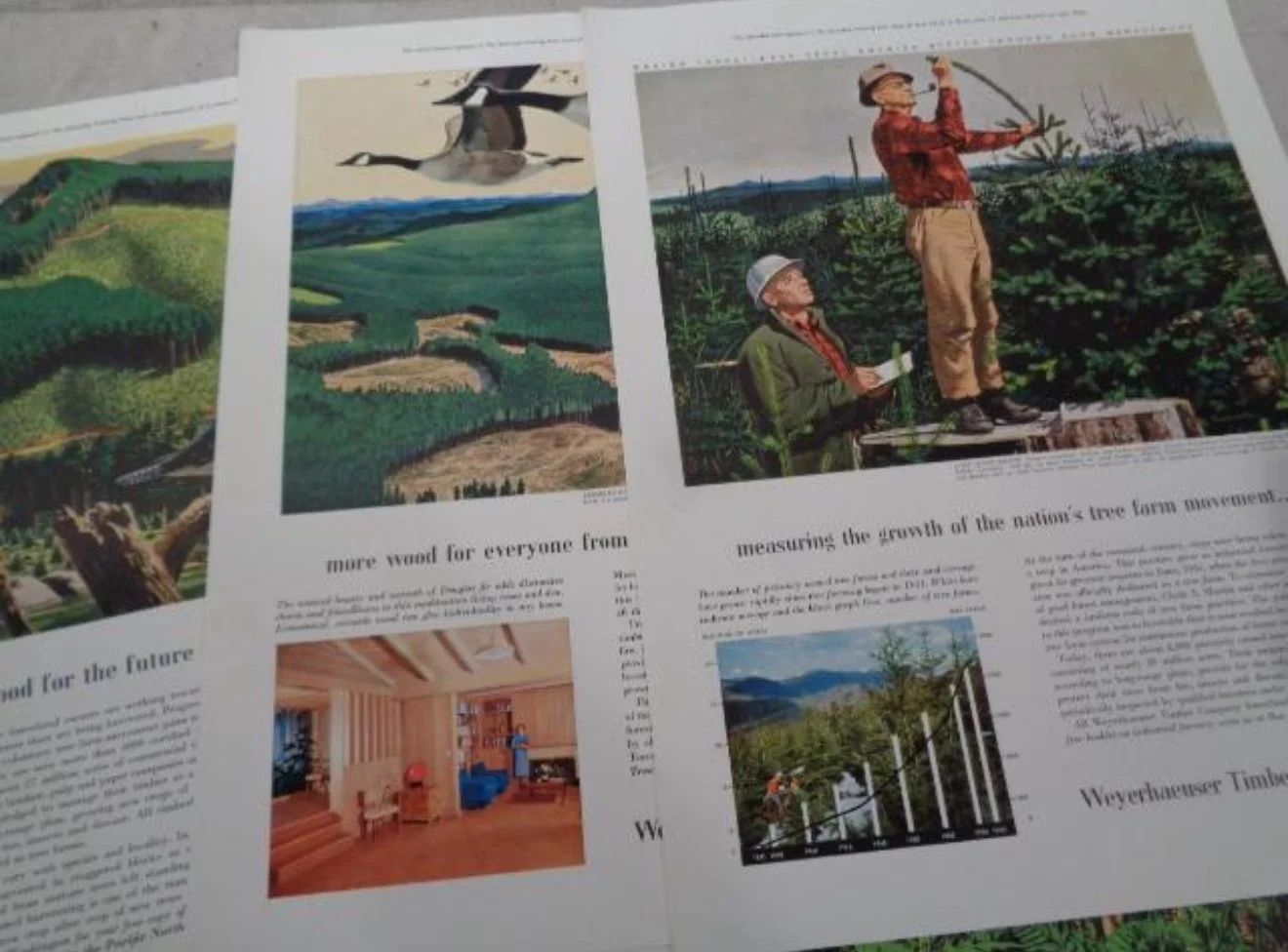
In Eugene and across western Oregon, there’s a quiet legacy rooted in backyards, schoolyards, and rural properties—trees planted by children decades ago. From the 1960s through the 1980s, companies like Weyerhaeuser Company distributed tree seedlings—most commonly Douglas-fir—to local students as part of reforestation and forestry education programs.
What seemed like a simple classroom activity created something lasting. Today, many of those trees still stand—now towering over homes, streets, and hillsides throughout Eugene.
A Tree in Every Kid’s Hand
For many kids, getting a seedling around Arbor Day was a big deal. The trees were small—sometimes just a foot tall—with exposed roots wrapped in damp paper. The message was simple: plant it, take care of it, and watch it grow.
And they did grow—fast.
The Important Detail Most People Don’t Know
Here’s where the story gets more complex—and more relevant today:
Many of the seedlings distributed during that era came from industrial forestry stock, selected or bred for rapid growth and timber production.
These trees weren’t chosen for long-term residential stability—they were chosen to:
Grow quickly and straight
Produce merchantable timber faster
Thrive in dense plantation settings
That matters now.
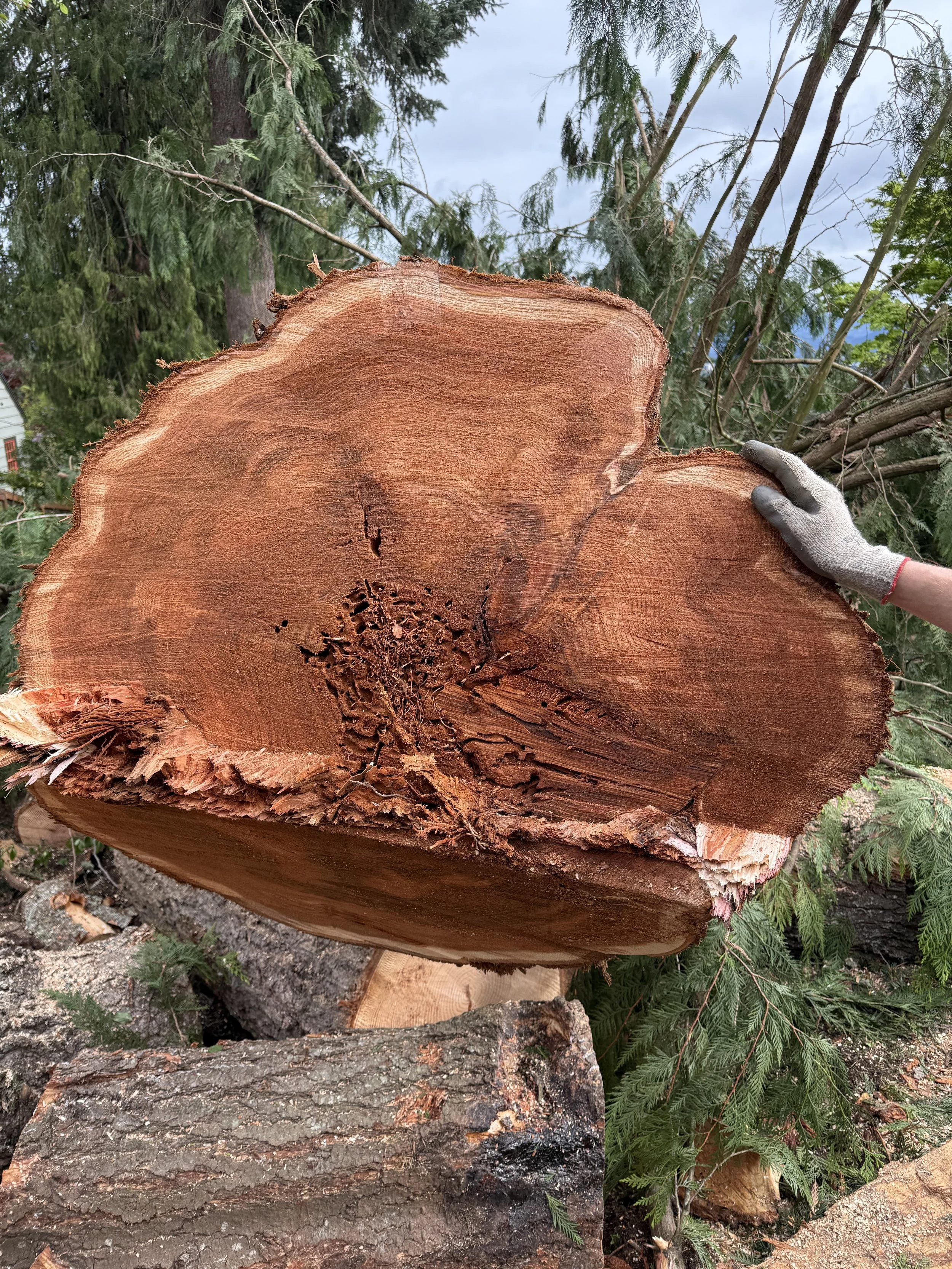
Because in Eugene’s neighborhoods—especially in the hills, wet soils, and wind-exposed areas—those same traits can translate into higher risk over time.
Why Fast-Growth Fir Trees Can Be Higher Risk
Compared to naturally regenerated or slower-grown trees, fast-growth Douglas-firs can develop characteristics that increase failure potential:
Lower wood density relative to growth rate
Longer, heavier limbs with more leverage in wind
Less tapered trunks in some cases, depending on competition history
Root systems that may not match the canopy load, especially in saturated soils
In Eugene’s climate—where winter brings heavy rain, saturated ground, and wind events—this combination can be a problem.
Now add:
Homes built nearby decades after planting
Trees placed too close to structures (because they were planted by kids)
Sloped terrain in South Eugene and the surrounding hills
You get high-consequence trees—not just tall, but capable of causing serious damage if they fail.
A Living Time Capsule… With Real Implications
These trees are still a powerful symbol of Eugene’s forestry culture. They connect families to the land and to a time when timber shaped the local economy.
But from an arborist’s perspective, they often show up today as:
Overgrown legacy firs in tight residential spaces
Dominant canopy trees with structural imbalances
Potential hazards during storm seasons
And importantly—not all of them are problems. Many are healthy and stable. But the risk profile is different than people expect.
Full Circle in Eugene
Eugene’s identity is deeply tied to forestry—from mills to reforestation crews like the Hoedads Reforestation Cooperative. These school seedling programs were part of that ecosystem.
Now, decades later, those same trees are part of a new conversation:
Risk assessment
Preventive pruning
Selective removal when necessary
Because what started as a child’s project has become a mature, structural presence in the urban forest.
The Takeaway
If you have a large fir on your property in Eugene—and especially if it was planted in the 60s–80s—it’s worth asking:
How was this tree grown?
Is it structurally sound for its location?
What is the consequence if it fails?
Understanding that history isn’t just interesting—it’s critical for making informed decisions today.
