
Stump Grinding and Natural Growth Inhibition in Trees
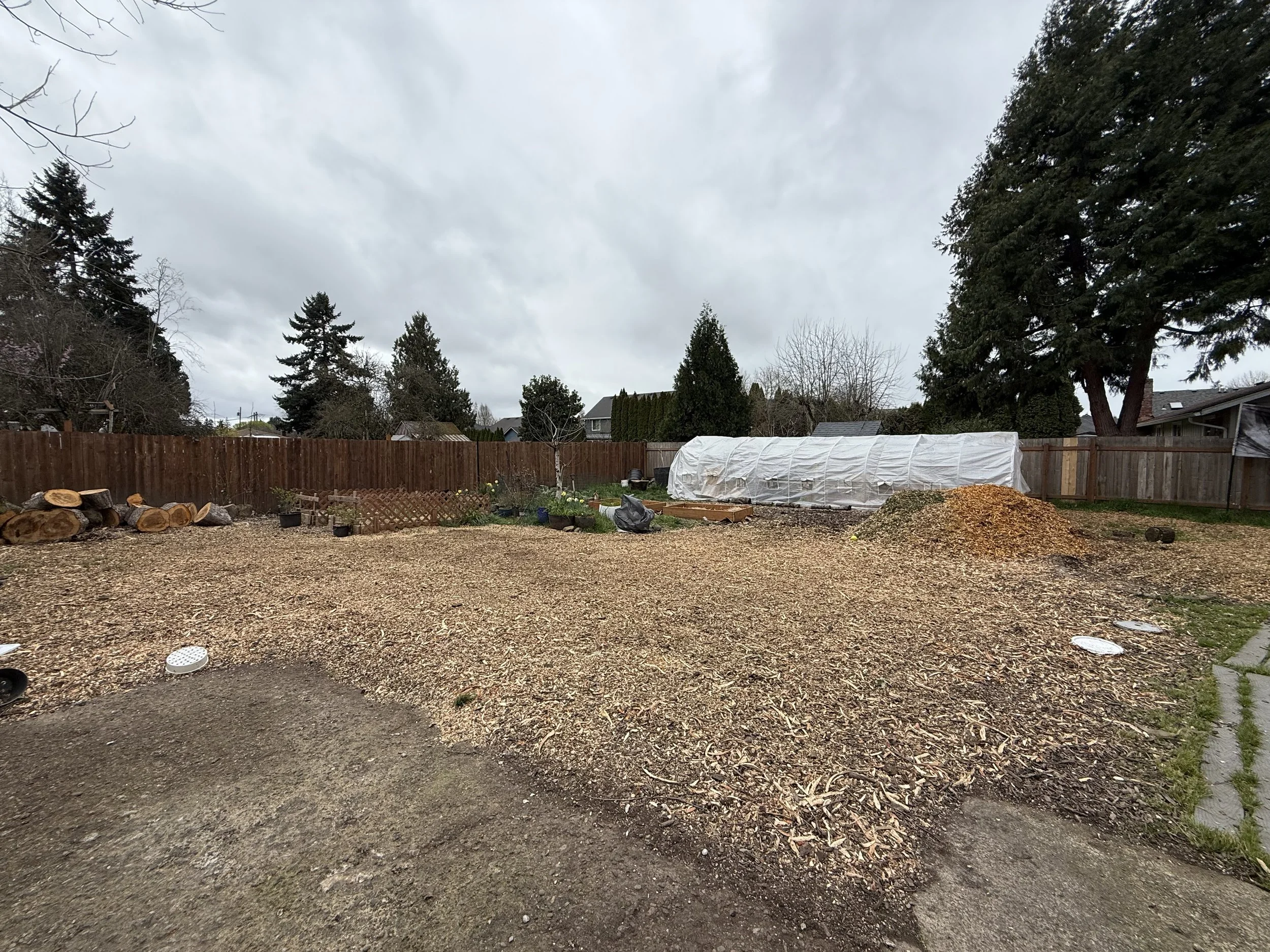
After a tree removal, the remaining stump can continue to influence the surrounding soil and plant community. Stump grinding is an effective method used by professional arborists to eliminate the visible portion of the stump and accelerate the site’s recovery. Using specialized equipment, the stump is mechanically ground several inches below grade, converting the remaining wood into mulch that can be reused on site or removed depending on the landscape plan.
Even after a tree is cut down, the root system can remain biologically active for a period of time. Many tree species release allelopathic chemicals—natural compounds sometimes informally referred to as growth-inhibiting compounds—that can temporarily suppress the growth of nearby plants. These chemicals, produced by decaying roots and woody tissues, act as a natural ecological mechanism that slows competition while the tree’s root system decomposes.
This temporary inhibition period can vary depending on species, soil microbes, moisture, and temperature. Over time, microbial activity breaks down these compounds and the soil returns to a more neutral growing environment.
Grinding the stump helps speed this transition. By reducing the bulk of woody tissue and exposing more surface area to soil organisms, decomposition accelerates and the inhibitory compounds dissipate more quickly.
For homeowners planning to replant or restore the landscape, professional stump grinding is often the first step toward rebuilding healthy, productive soil.
