Signs a Tree Is a Liability Risk (and When Insurance Might Not Cover It)
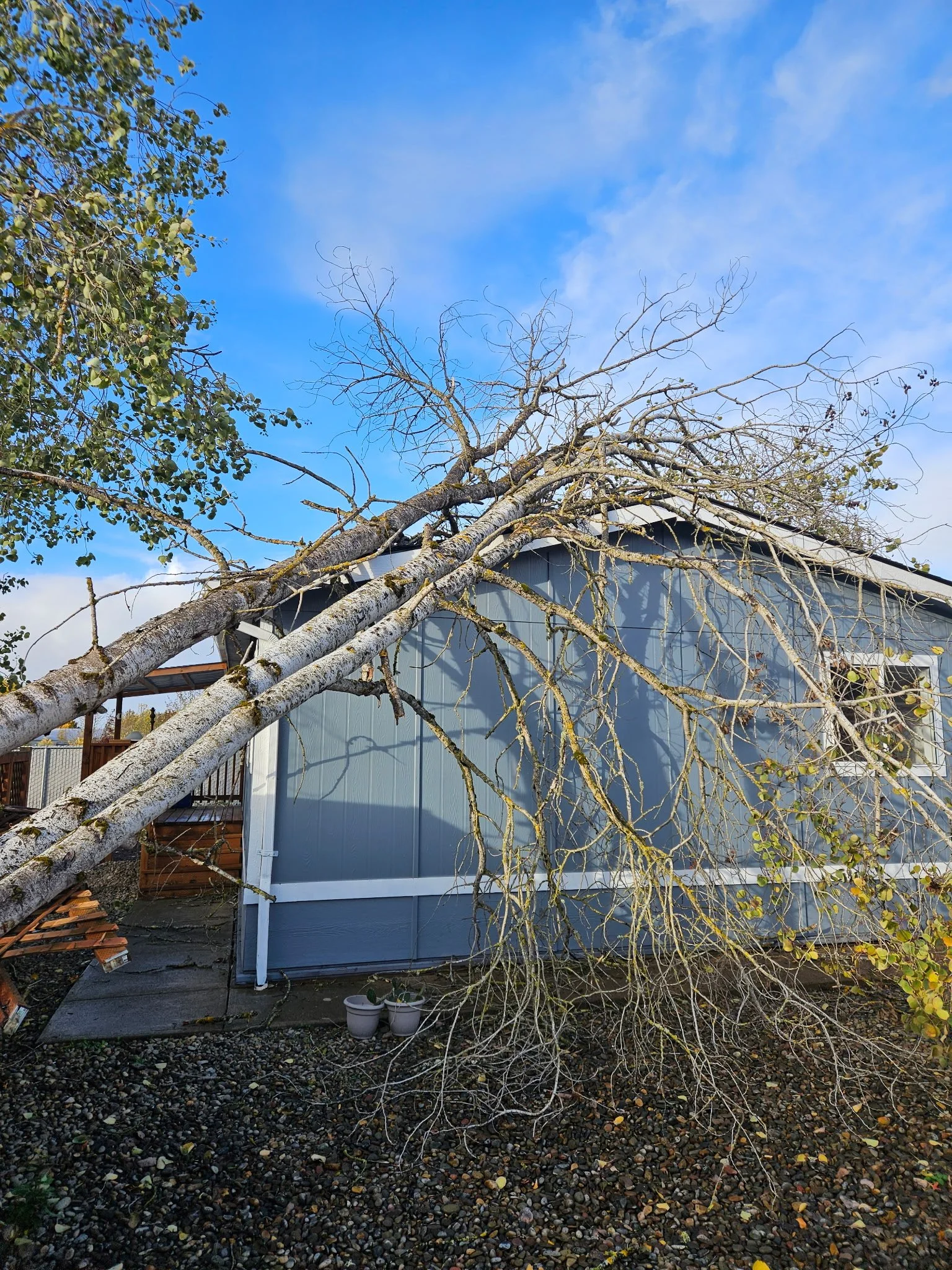
Trees add beauty and value to a property, but they can quickly become a serious liability if not properly maintained. Recognizing early warning signs can help prevent costly damage, injury, and denied insurance claims.
One major red flag is dead or dying limbs—especially large branches overhanging homes, driveways, or walkways. Cracks in the trunk, splitting unions, and visible decay (such as fungal growth at the base) often indicate structural weakness. Leaning trees, particularly those that have recently shifted, may signal root failure—common in saturated or unstable soils.
Another overlooked risk is canopy imbalance. Trees with excessive weight on one side are more prone to failure during storms. Root damage from construction or soil compaction can also compromise stability without obvious above-ground symptoms.
From an insurance standpoint, neglect matters. If a tree was visibly hazardous and no action was taken, claims for damage may be reduced or denied. Insurance companies often expect reasonable maintenance, including pruning, trimming, and professional assessment.
Regular inspections by a certified arborist can identify hazards early and reduce liability. Proactive care—like strategic pruning, Cabling, or removal—protects both your property and financial security.