
Fruit Tree Pruning: Building Structure, Health, and Production
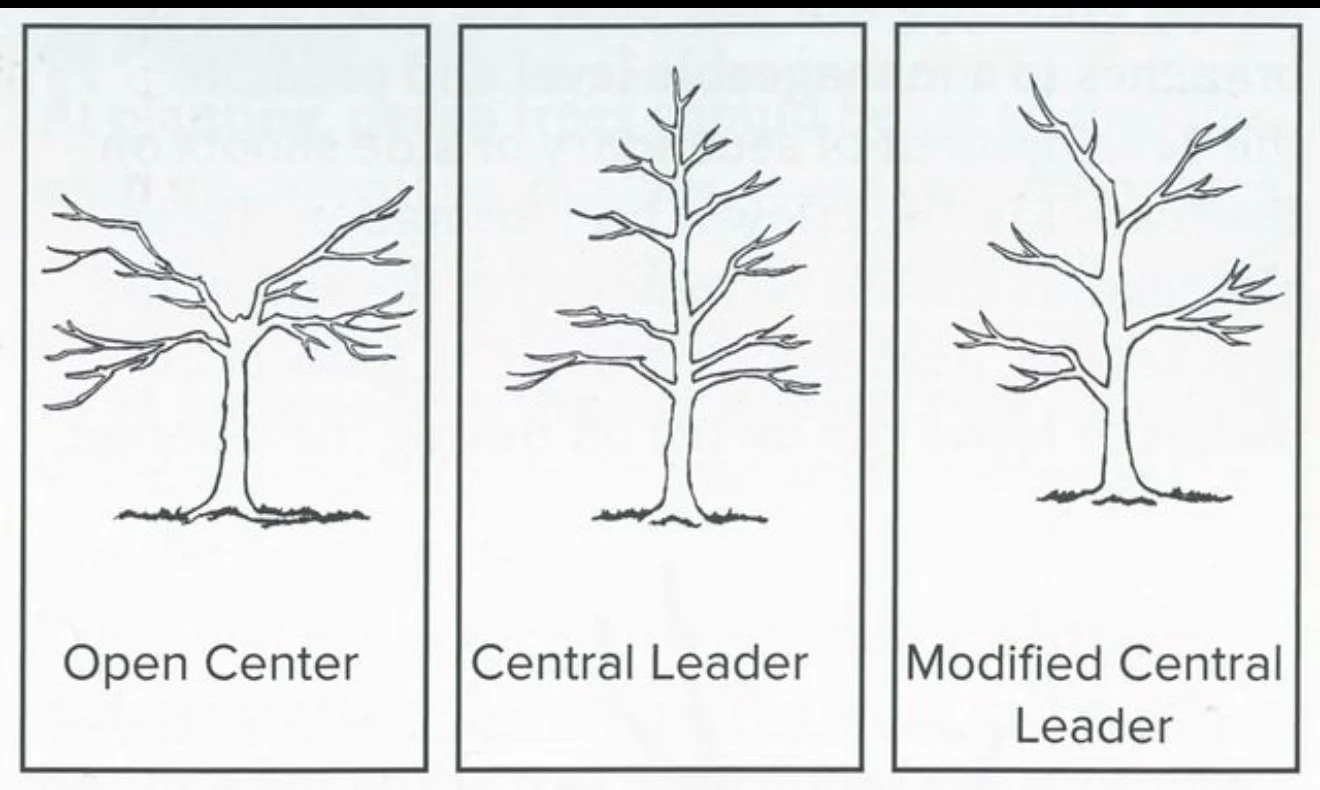
Fruit tree pruning is both science and stewardship. When done correctly, it improves structure, increases fruit quality, reduces disease pressure, and extends the productive life of the tree.
Most temperate fruit trees are trained into either an open-center (vase) system—common for peaches and plums—or a central leader system—typical for apples and pears. Establishing strong scaffold branches early prevents weak unions and future limb failure under fruit load. Proper spacing allows sunlight penetration, which directly influences bud development and sugar production.
Dormant pruning (late winter) promotes vigorous spring growth and is ideal for structural training. Summer pruning helps manage excessive vegetative growth and improves light distribution. Both timing and cut placement matter. Always prune just outside the branch collar to support natural compartmentalization and wound closure.
Removing crossing, rubbing, diseased, or vertically competing shoots reduces stress and lowers the risk of fungal pathogens. Thinning cuts improve airflow, while heading cuts influence branching and canopy density. Over-pruning, however, can stimulate excessive watersprout growth and delay fruiting.
Consistent, moderate pruning is more effective than infrequent aggressive cuts. Fruit trees operate on multi-year energy cycles; maintaining balance between vegetative growth and fruit production is key.
Professional assessment ensures structural integrity, safe ladder access, and proper tool sanitation. Thoughtful pruning is not about cutting more—it’s about cutting with purpose.
