
Drought Stress and Tree Decline in Eugene, Oregon
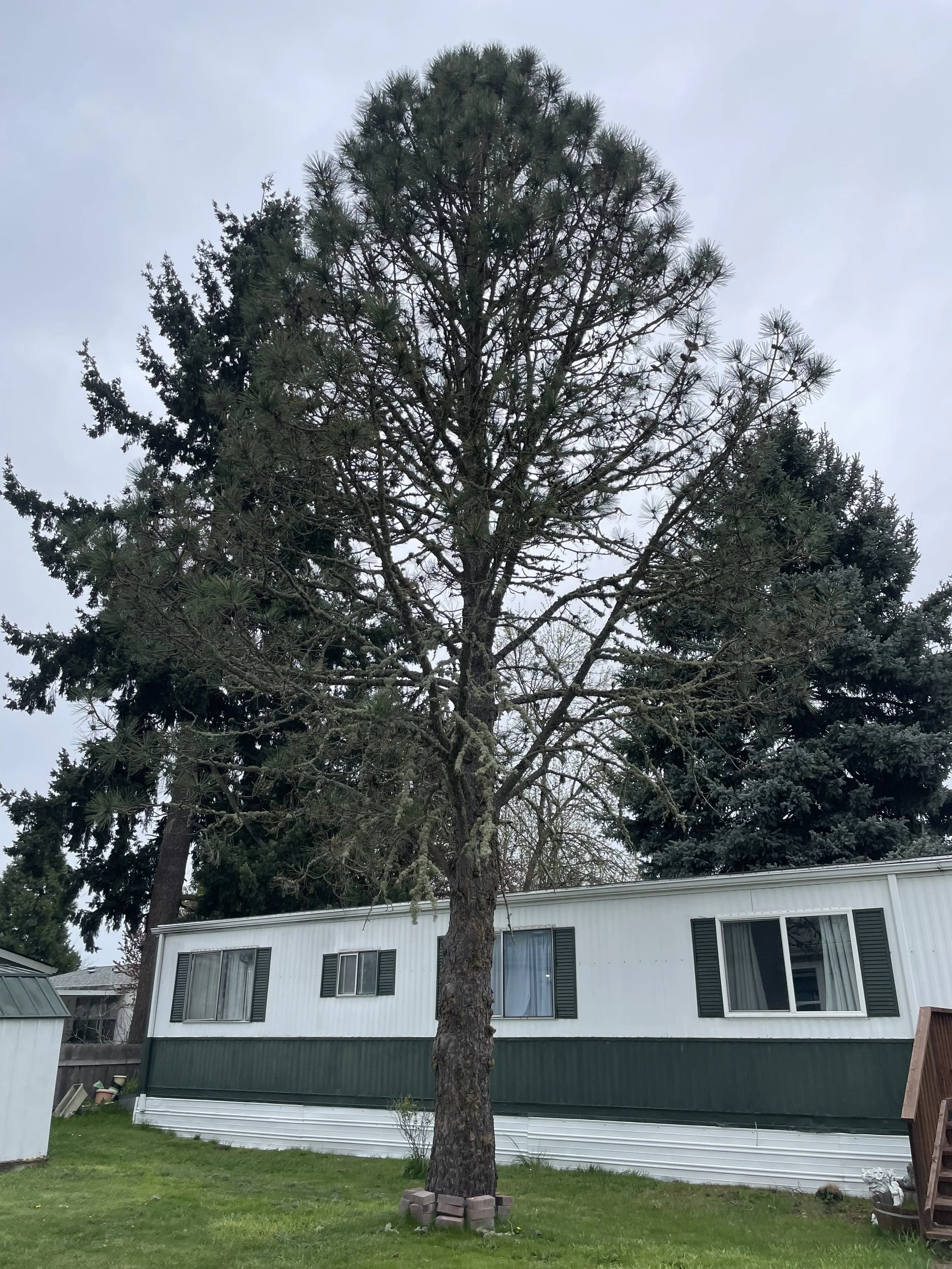
In Eugene and the surrounding Willamette Valley, prolonged summer drought has become a growing factor in tree decline. While our region is known for wet winters, extended dry periods from late spring through early fall can place significant stress on both native and ornamental trees.
Drought stress reduces a tree’s ability to photosynthesize and defend itself. As soil moisture drops, trees begin conserving resources—often shedding leaves early, thinning their canopy, or producing smaller foliage. Over time, this weakens overall structure and leaves trees more vulnerable to pests, borers, and fungal pathogens. Species like maple, birch, and even some conifers can show decline if dry conditions persist year after year, often leading to the need for professional tree assessment.
One of the most overlooked issues is shallow watering. Light, frequent irrigation encourages weak surface roots, making trees even more susceptible during heat waves. Deep, infrequent watering is far more effective, allowing moisture to reach the root zone where it’s needed most and reducing the likelihood of future tree removal.
Signs of drought-related decline include leaf scorch, dieback in upper limbs, premature fall color, and increased deadwood. Strategic trimming can reduce stress and improve structure, while timely assessment helps determine whether preservation or removal is the safest option.
As drought patterns intensify, proactive care—including trimming, assessment, and when necessary, removal—is essential for long-term tree health and safety.
