Emerald Ash Borer: What Eugene Property Owners Need to Know
The emerald ash borer (EAB) is one of the most destructive tree pests ever introduced to North America, and its spread across the Pacific Northwest makes preparedness essential. Communities that plan early save trees, money, and canopy cover.
This article explains what EAB is, why Eugene should care, and what homeowners, HOAs, and property managers can do now.
What Is the Emerald Ash Borer?
Emerald ash borer (Agrilus planipennis) is a small, metallic-green beetle native to Asia. It attacks all species of ash trees (Fraxinus spp.), killing them by feeding beneath the bark and cutting off water and nutrient flow.
Once established, EAB typically kills an ash tree within 2–5 years, often before visible symptoms appear.
Why Eugene Is at Risk
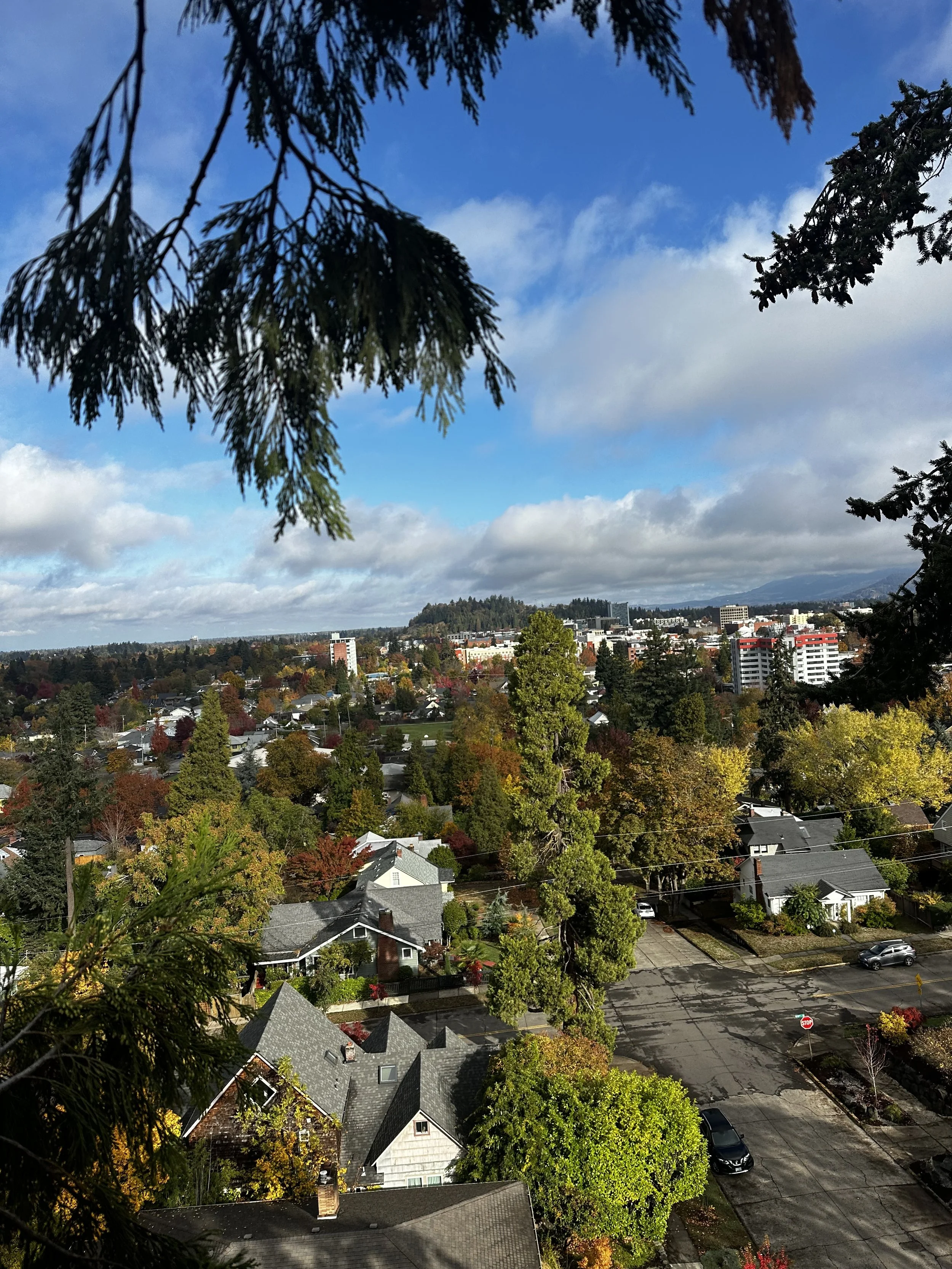
Eugene’s urban forest includes ornamental and street-planted ash trees, especially older plantings from past decades when ash was popular for its fast growth and shade.
Key risk factors for Eugene include:
Heavy interstate and commercial transport corridors
Movement of firewood and untreated wood
Mild winters that do not reliably suppress beetle populations
A dense urban canopy where infestations can spread quietly
Areas that are predominately ash trees
Cities across Oregon and Washington are actively preparing.
How to Identify an Infestation
Early detection is difficult, but common signs include:
Thinning or dying canopy, starting at the top
Epicormic shoots (new sprouts along the trunk)
Woodpecker damage as birds hunt larvae
D-shaped exit holes in the bark
Serpentine (S-shaped) larval galleries beneath the bark
By the time these symptoms appear, the tree is often already in decline.
What Happens If EAB Reaches Eugene?
Without preparation, EAB infestations can lead to:
Rapid loss of mature shade trees
Increased tree failure risk and storm damage
High emergency removal costs for homeowners and cities
Loss of wildlife habitat and neighborhood character.
Many Midwestern cities lost over 90% of their ash trees within a decade of infestation.
What You Can Do Now (Before It Arrives)
1. Identify Your Ash Trees
Have a certified arborist confirm whether you have ash on your property and assess their condition and value.
2. Consider Preventive Treatments
Systemic trunk injections can protect healthy ash trees, but they must begin before infestation and be repeated on a schedule.
3. Plan for Gradual Replacement
If you have multiple ash trees, phased removal and replanting can prevent sudden canopy loss.
4. Don’t Move Firewood
Transporting firewood is the number one way EAB spreads. Buy it local and burn it local.
5. Stay Informed
Follow updates from the Oregon Department of Forestry and local arboriculture professionals.
Eugene’s Advantage: Time to Prepare
The good news? Eugene still has time. Communities that inventory ash trees, educate residents, and plan treatment or replacement programs fare far better than those caught off guard.
If you’re unsure whether your trees are ash—or want a proactive plan to protect your property—consulting a local ISA-certified arborist is the smartest next step.