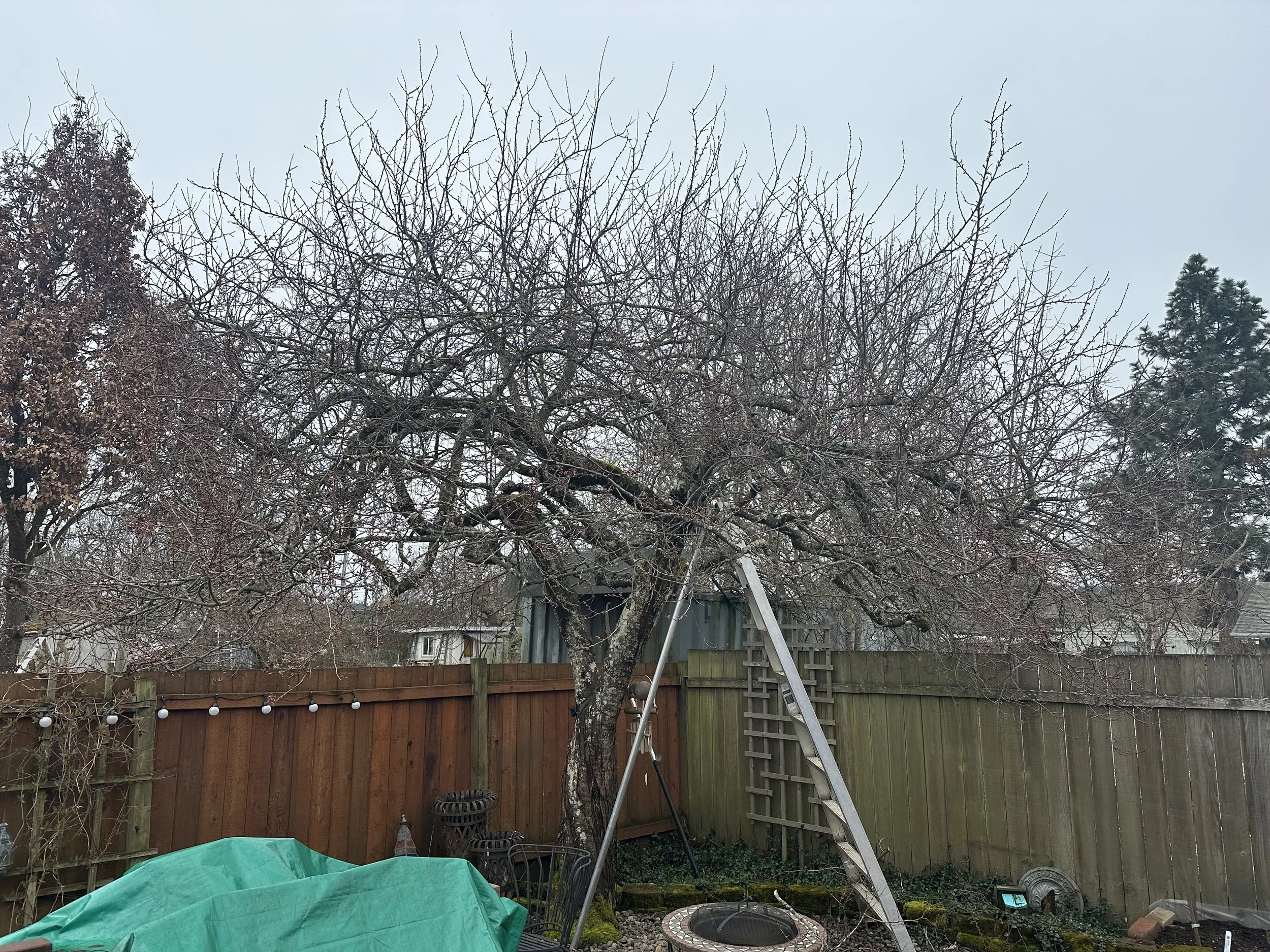
Why Winter is an ideal Time for tree pruning
Introduction
While many people assume spring is the ideal season for tree care, winter often provides the safest, healthiest, and most efficient time to prune. During dormancy, a tree’s energy demands decrease, allowing pruning cuts to heal more effectively and reducing the risk of disease. Winter pruning also helps arborists see the tree’s true structure without leaves in the way.
Benefits of Dormant-Season Pruning
1. Reduced Disease Transmission
Many fungal spores and insects that infect pruning wounds are inactive in winter. This makes cold months ideal for controlling diseases like:
Oak wilt
Dutch elm disease
Anthracnose
Fire blight
Pest resurgence
Vectoring insects
Spread of pathogens
Pruning these trees in summer can spread pathogens, while winter pruning keeps them safe.
2. Improved Tree Structure
Without foliage, arborists can clearly see:
Crossing branches
Weak attachments
Deadwood
Co-dominant stems
Branch density
Structural defects
This makes cuts more precise and improves the tree’s overall shape and strength.
3. Better Spring Growth
Winter pruning directs a tree’s stored energy toward healthy branches. This results in:
Strong new growth in spring
Healthier leaf production
Better structural form
Increased fruit or flower output (for ornamentals and edibles)
4. Less Stress on the Tree
During dormancy, metabolic activity is low. Pruning at this time:
Minimizes shock
Reduces sap flow
Protects the tree’s stored resources
5. Increased Safety & Accessibility
leaf-free canopies make work safer and more efficient:
Less damage to lawns
Better bucket truck access
Improved visibility for climbers
Lower labor time (often lower cost)
Which Trees Benefit Most from Winter Pruning?
Fruit trees
Deciduous trees
Maples
Oaks
Elms
Ash trees
Many conifers
However, some species—like spring-flowering trees—are better pruned right after they bloom. A certified arborist will help determine the best timing.
Pruning to Avoid in Winter
Severely stressed trees or those with specific diseases may need a different schedule. Winter storm damage may also require emergency cuts.