
The Value of Ponderosa Pines in the Eugene Area
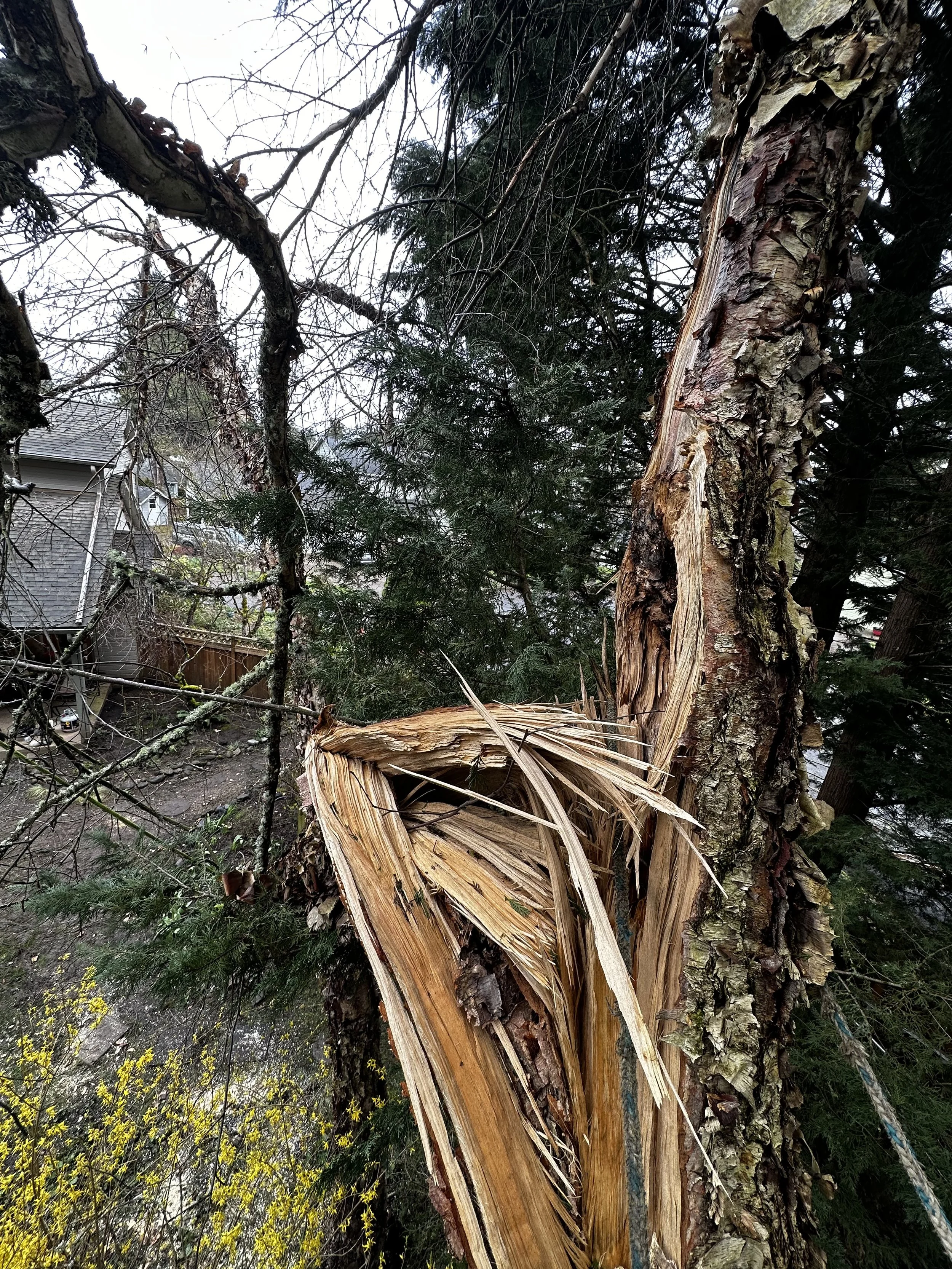
Ponderosa pine trees are an important part of Oregon’s natural identity and hold significant ecological, aesthetic, and property value throughout the Eugene and Willamette Valley region. While Douglas-fir dominates much of western Oregon’s forests, native Willamette Valley ponderosa pine populations are uniquely adapted to the valley’s wet winters and dry summers, making them highly resilient landscape trees.
In Eugene, mature ponderosa pines provide major environmental benefits. Their large canopies help reduce urban heat, improve air quality, absorb carbon dioxide, and intercept stormwater runoff. Large shade trees also help lower cooling costs and improve the overall appearance and value of residential properties.
Ponderosa pines are also highly valuable for wildlife habitat. Birds, squirrels, hawks, and beneficial insects all utilize mature pine ecosystems for food, nesting, and shelter. Their tall form and rugged bark create the classic Pacific Northwest landscape many homeowners appreciate throughout the southern Willamette Valley.
Although ponderosa pines are drought tolerant, one of the most common mistakes homeowners make in Eugene is overwatering during the summer months. Ponderosa pines evolved in dry, well-draining soils and generally do not tolerate constantly saturated root zones. Frequent shallow watering can contribute to root stress, fungal pathogens, and oxygen deprivation within the soil profile. Overwatered trees often become more susceptible to root diseases such as Armillaria and other decay fungi.
Symptoms of stress from excessive watering can include yellowing needles, thinning foliage, reduced vigor, pitch flow, and branch dieback. In some cases, prolonged wet soil conditions can weaken the root system enough to attract bark beetles and secondary insect infestations.
Proper irrigation practices are critical. Deep, infrequent watering during extended drought periods is typically far healthier than daily or excessive irrigation. Maintaining healthy soil structure, avoiding root compaction, and monitoring for signs of disease can significantly improve long-term tree health and stability.
Routine inspections and proper pruning by an ISA Certified Arborist can help preserve mature ponderosa pines for generations while reducing hazards and maintaining the beauty of Eugene’s urban forest.
