The Science Behind Tree Wound Healing
Introduction
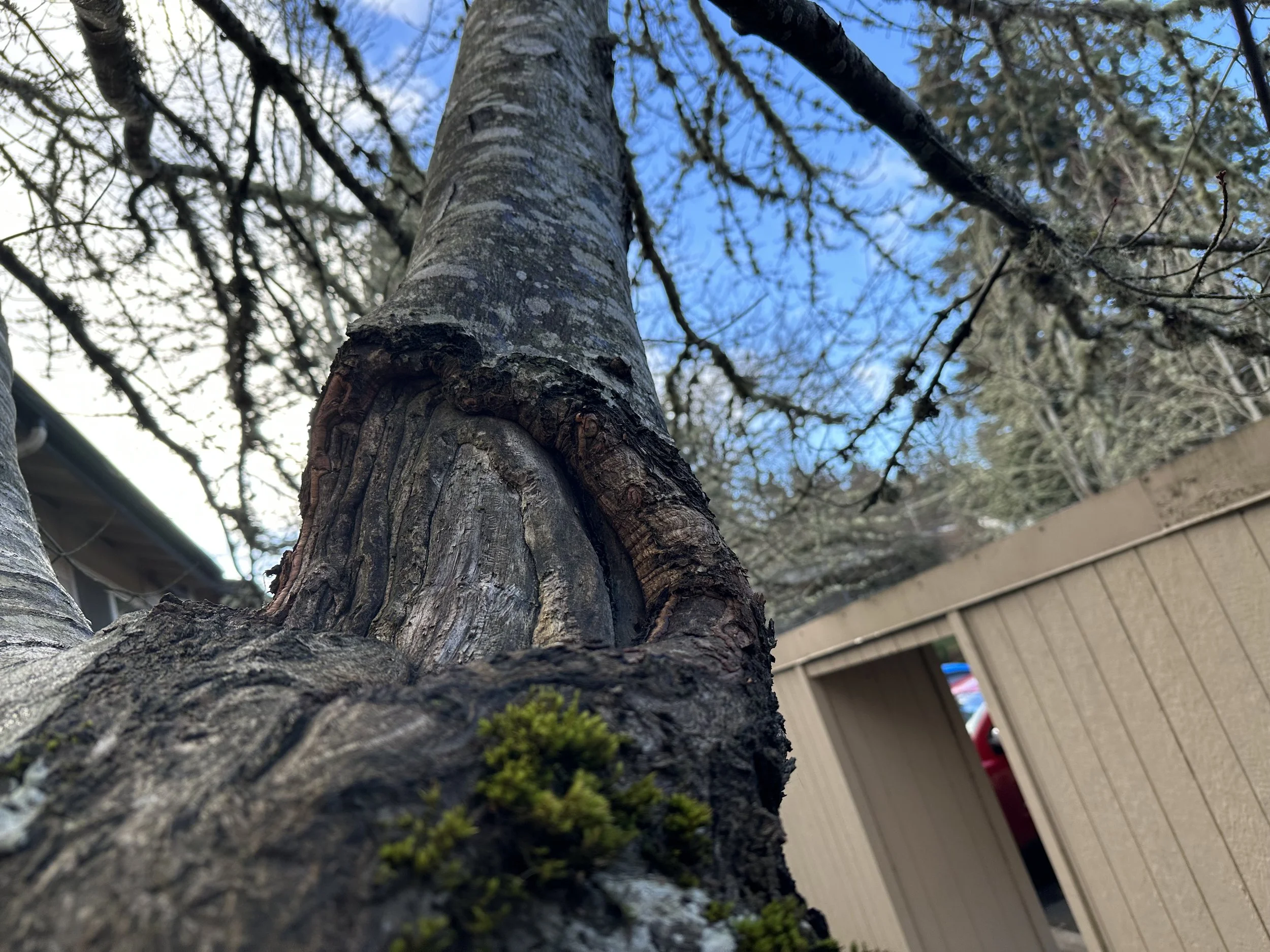
When a tree is pruned or injured, it doesn’t “heal” like human skin. Instead, trees use a process called compartmentalization to seal off damage and prevent decay spread. Understanding how trees respond to wounds helps explain why proper pruning cuts are essential.
How Trees Respond to Wounds
1. Compartmentalization of Decay
Trees create chemical and physical barriers around damaged tissue. These barriers:
Block pathogens
Limit decay spread
Strengthen surrounding wood
This is why where you make a pruning cut matters so much.
2. Callus Formation
Trees grow callus tissue around the wound’s edge. Over time, this callus can close over the wound if:
The cut is clean
It’s made at the proper branch collar
The tree is healthy
3. Energy Distribution
Trees allocate energy to wound response, which is why improper pruning can stress a tree.
Why Proper Pruning Matters
Incorrect cuts (flush cuts, stubs, tearing bark) make it harder for trees to seal off damage. Poor pruning leads to:
Rot
Slow closure
Weak regrowth
Internal decay spread