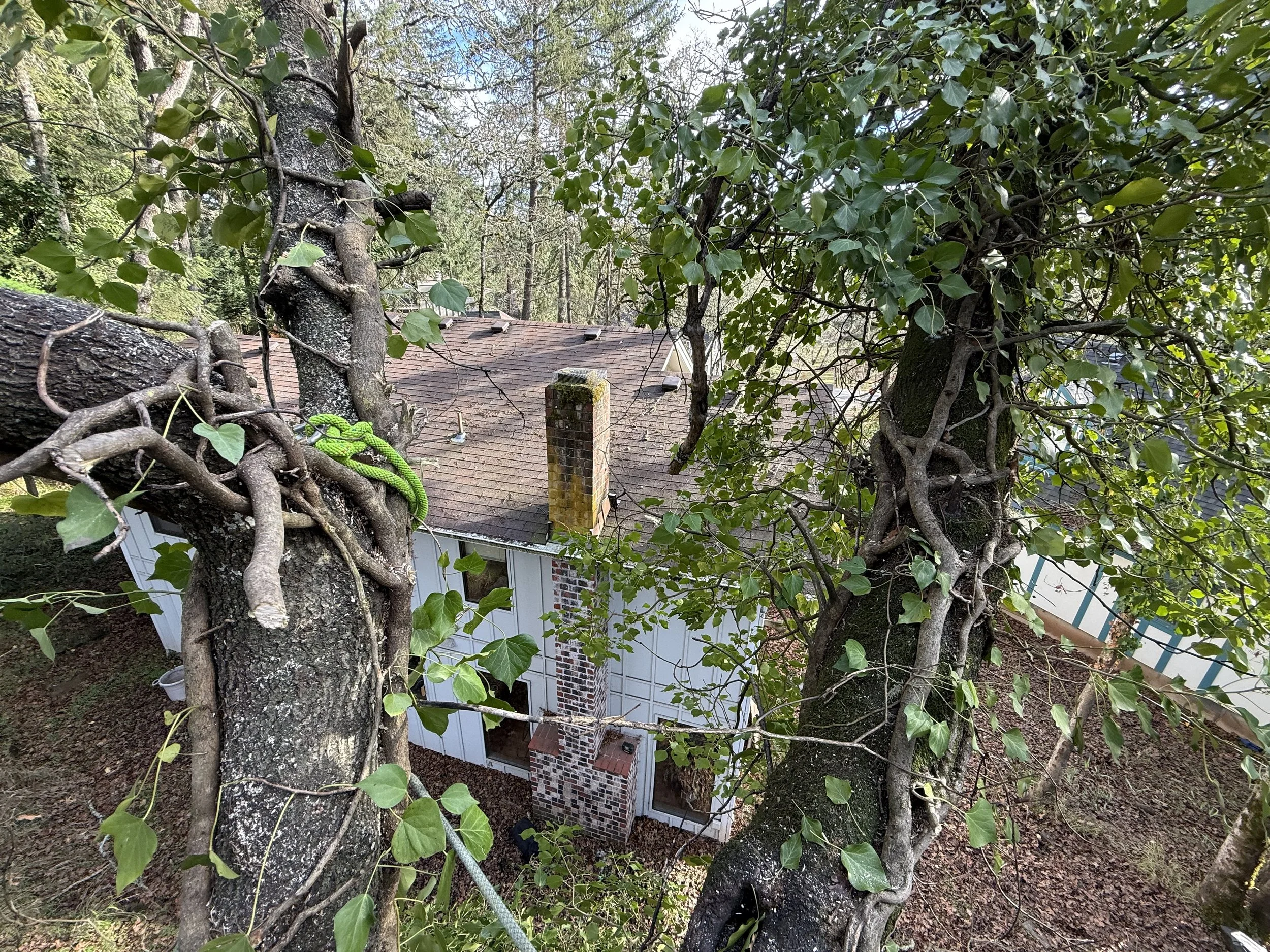
Soil Compaction: The Hidden Stressor Weakening Urban Trees
Soil compaction increases bulk density, reduces pore space, and limits oxygen diffusion in the root zone. This leads to hypoxic conditions, reduced fine-root growth, and nutrient uptake deficiencies.
Scientific Notes:
Roots respire and require oxygen for ATP production.
Compaction increases anaerobic microbes and reduces beneficial fungi.
Water infiltration decreases, causing simultaneous drought stress and surface runoff.
Key Bullet Points:
Causes: Foot traffic, equipment, construction, mowing.
Symptoms: Thinning canopy, slow growth, early fall color.
Solutions: Air-spading, core aeration, mulch application, traffic reduction.
2. Proper Tree Spacing Prevents Competition and Structural Failure
Trees planted too close compete for essential resources and develop weak, elongated growth patterns due to lack of light.
Scientific Notes:
Reduced photosynthetic efficiency = poor trunk taper.
Dense canopies increase fungal disease spread.
Overlapping root zones create chronic stress.
Key Bullet Points:
Effects: Shallow roots, limb dieback, higher disease risk.
Ideal Spacing: Based on mature canopy spread, not sapling size.
Benefits: Improved airflow, stronger structure, healthier growth.
3. Construction Damage: The Silent Killer of Mature Trees
Most root systems exist within the top 12–18 inches of soil, making them extremely vulnerable during construction.
Scientific Notes:
Severed roots reduce carbohydrate storage and hormone signaling.
Soil compaction restricts respiration and water absorption.
Decline may not appear for 2–7 years post-construction.
Key Bullet Points:
Risks: Trenching, grade changes, heavy equipment.
Symptoms: Dieback, yellowing, slow decline.
Prevention: Tree protection zones, root mapping, arborist involvement.