
Acacia Trees in Eugene: Exotic Beauty with Important Considerations
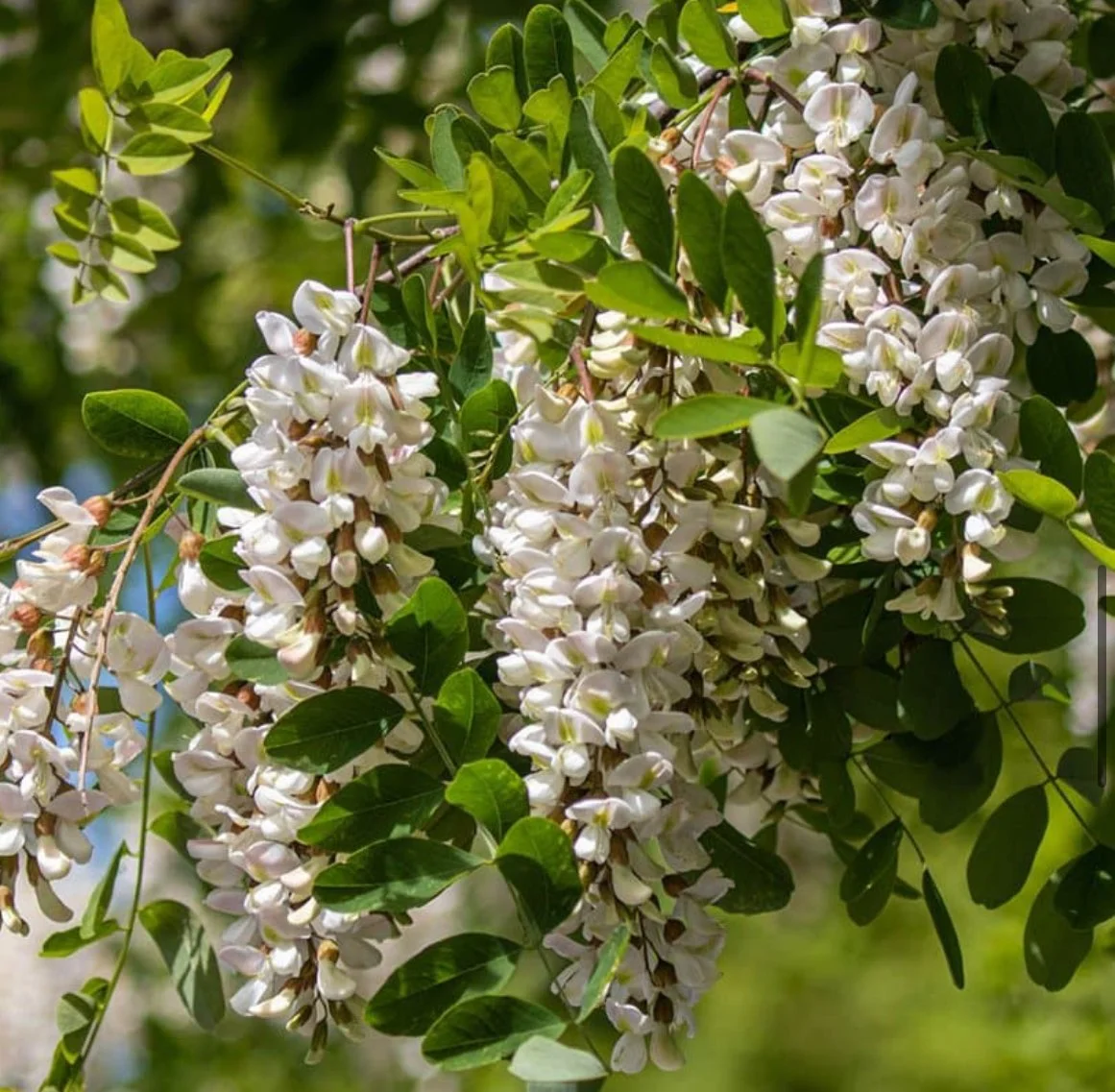
Acacia trees are admired around the world for their graceful foliage, fragrant yellow flowers, and fast-growing nature. While true acacias are most commonly associated with Australia, Africa, and warmer Mediterranean climates, certain cold-tolerant varieties can survive in parts of western Oregon — especially in sheltered microclimates around Eugene. However, they are still considered somewhat uncommon and experimental in the southern Willamette Valley due to winter cold and wet soils.
One close relative in the broader acacia family that performs exceptionally well in many parts of Oregon is the black locust tree. Black locust is an incredibly durable hardwood known for its extreme insect and rot resistance — in many cases outperforming cedar in long-term ground-contact durability. Its wood has been historically used for fence posts, outdoor structures, timber framing, and natural landscape construction because of its remarkable resistance to decay without chemical treatment. Beyond its toughness, black locust is also a beautiful hardwood with rich grain patterns, attractive bark texture, and fragrant spring flowers that attract pollinators and honeybees.
Acacias and related species generally thrive in full sun and well-drained soil. One of the biggest challenges in Eugene is excessive winter moisture. Many species dislike saturated roots and can decline from fungal root issues if planted in heavy clay soils. During summer, they prefer deep but infrequent watering rather than constant irrigation.
These trees are valued for their fast growth, airy canopy structure, and unique ornamental appearance. Their fern-like foliage and bright blooms add an exotic character to Pacific Northwest landscapes. However, rapid growth can sometimes lead to weak branch attachments, making structural pruning important while trees are young.
For Eugene homeowners looking for a drought-tolerant ornamental tree or a highly durable hardwood species, acacia relatives like black locust can offer both beauty and function when properly planted and maintained by a professional arborist.
